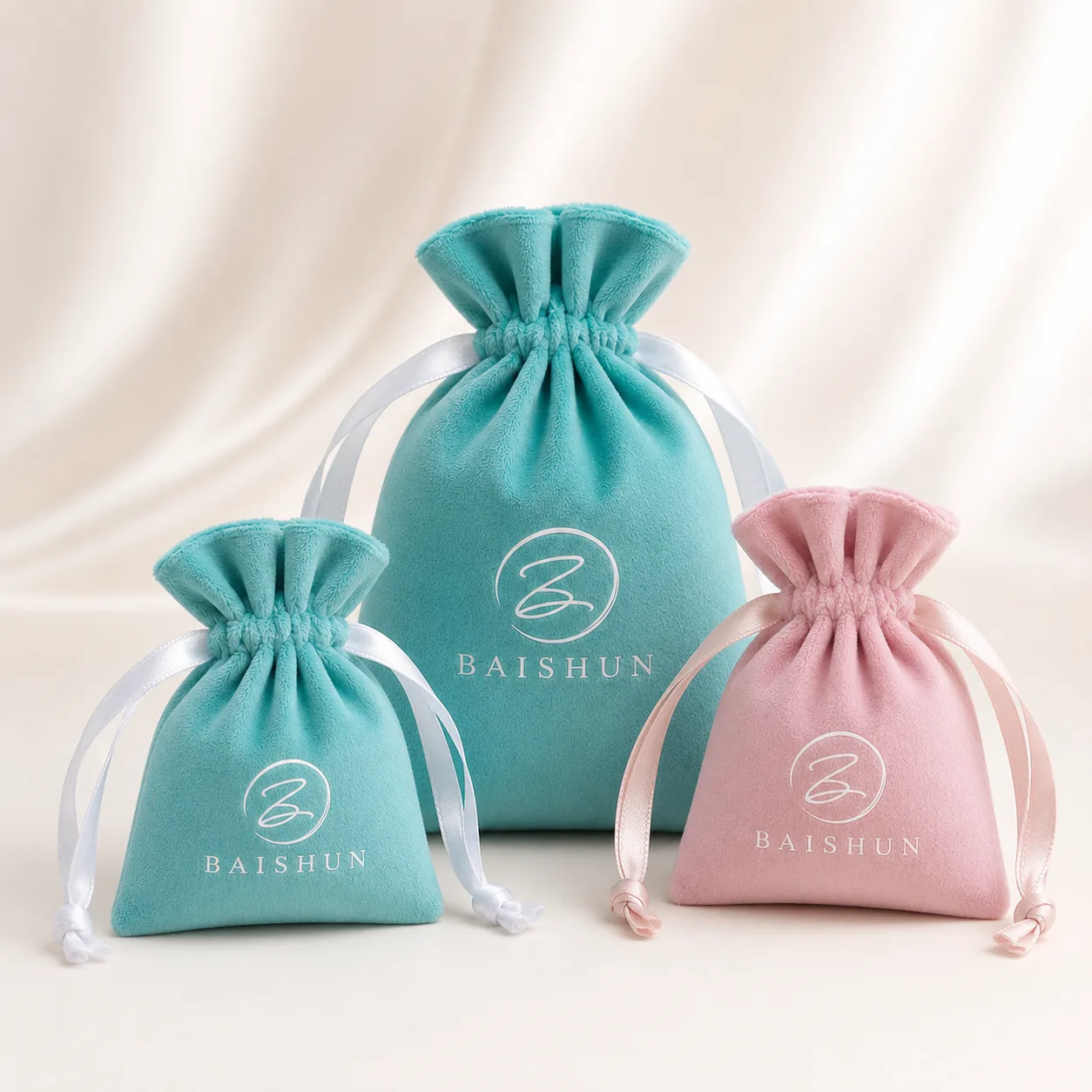
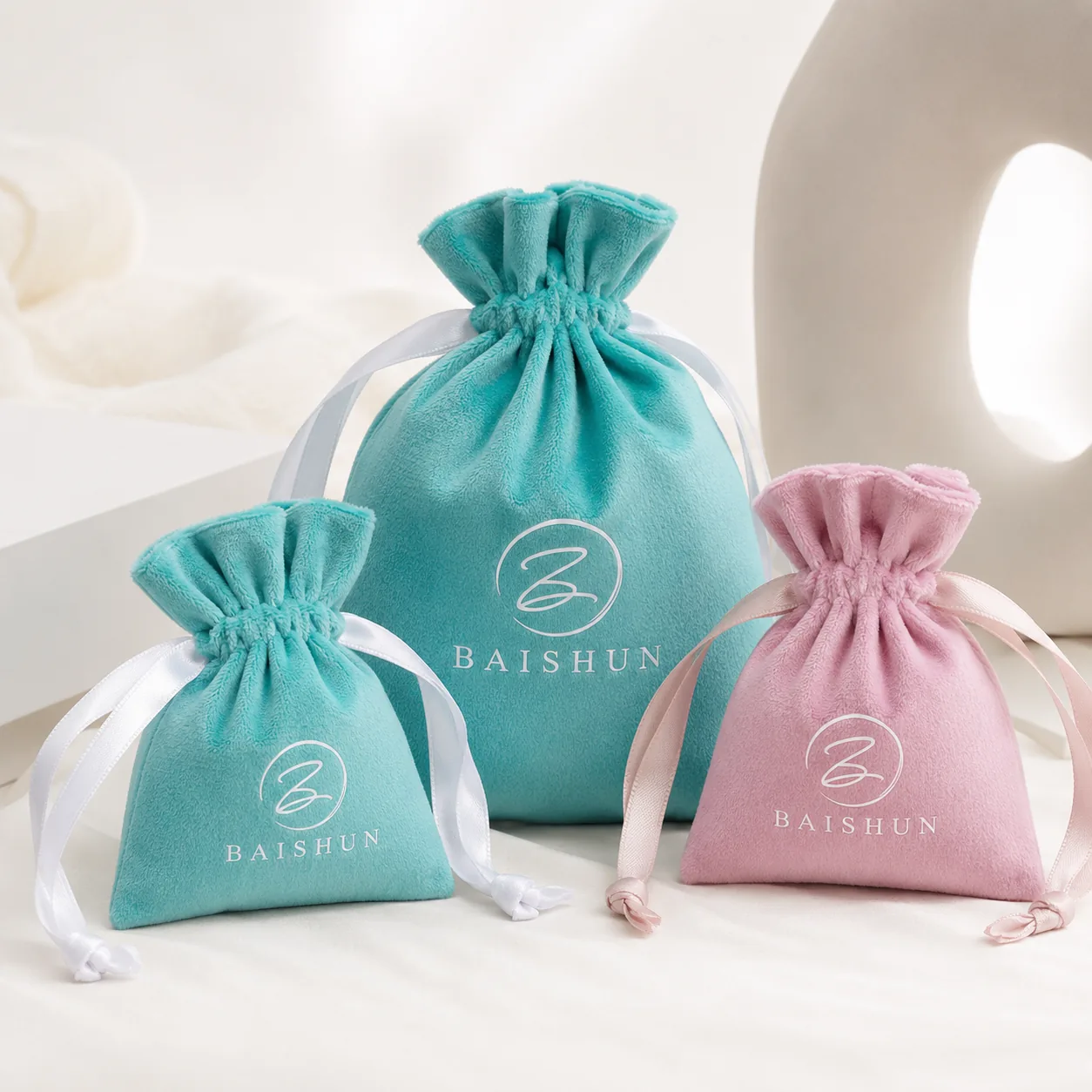
The most adaptable construction
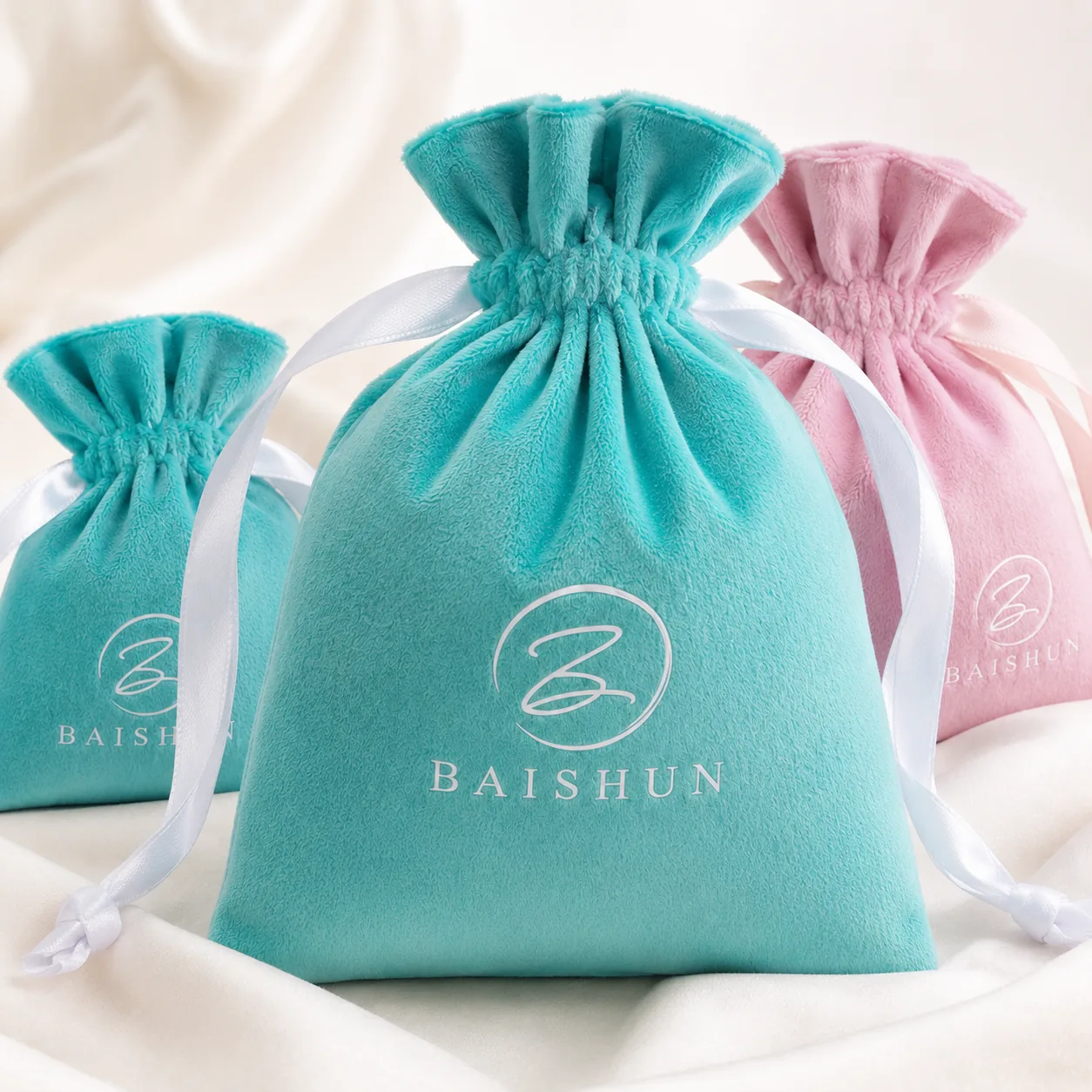
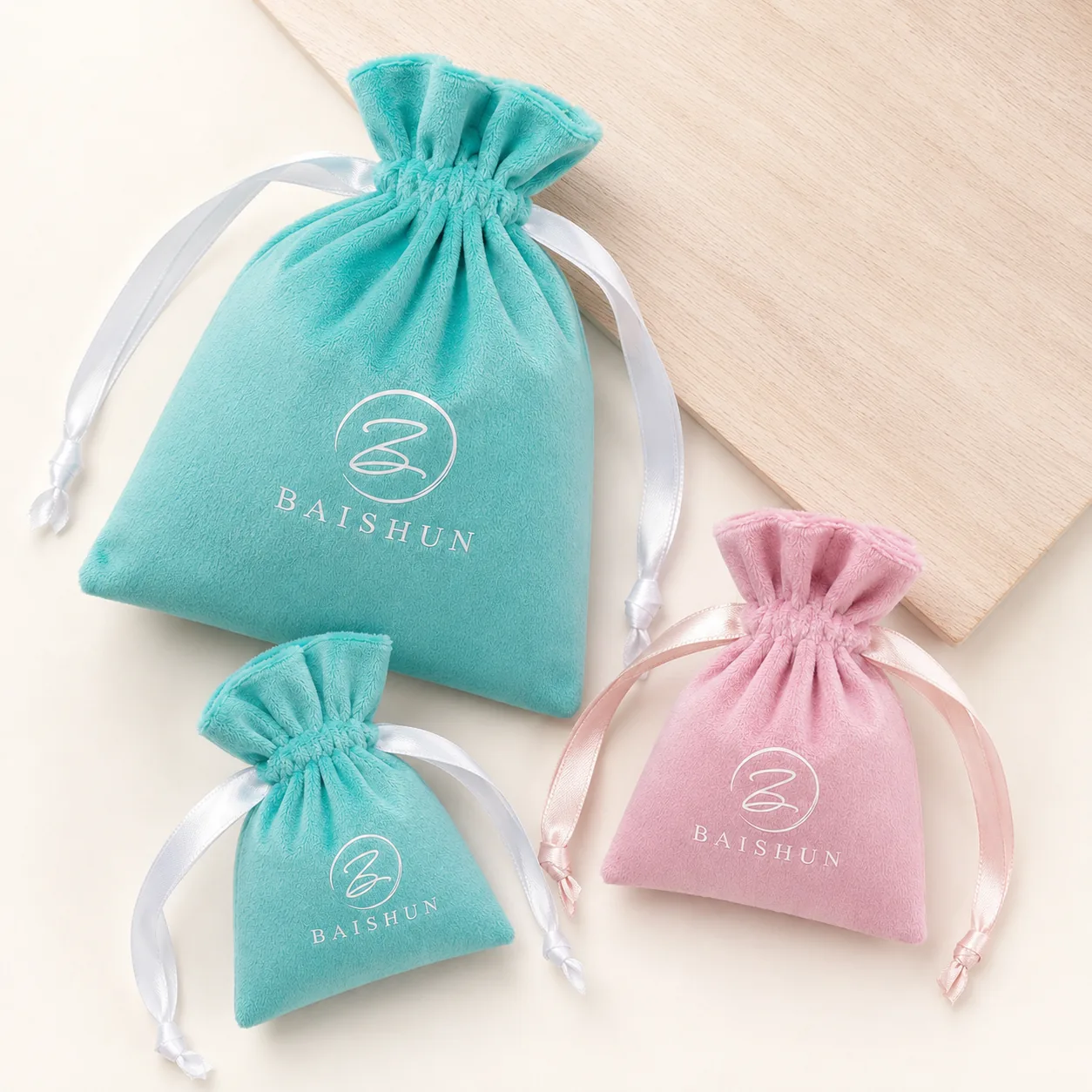
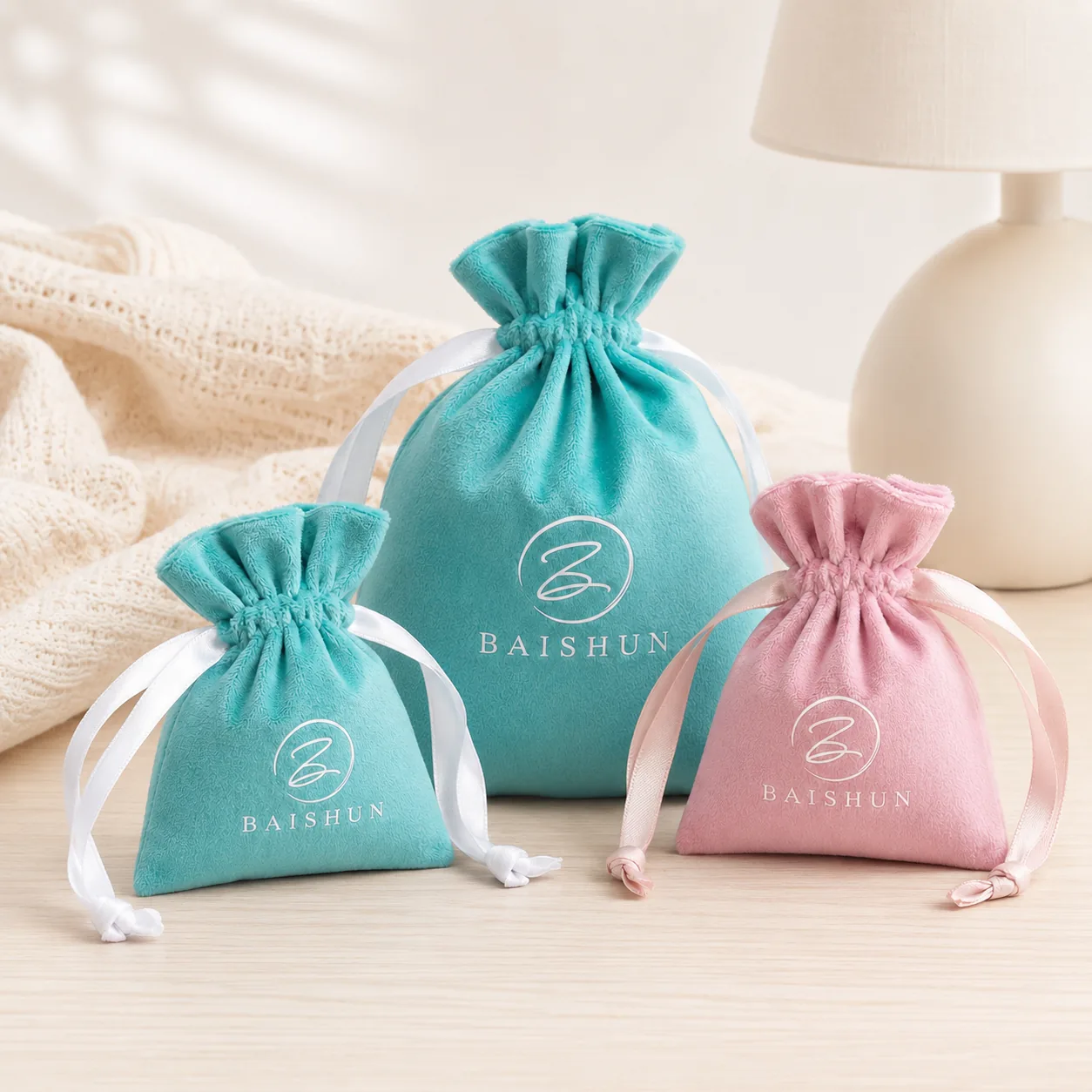
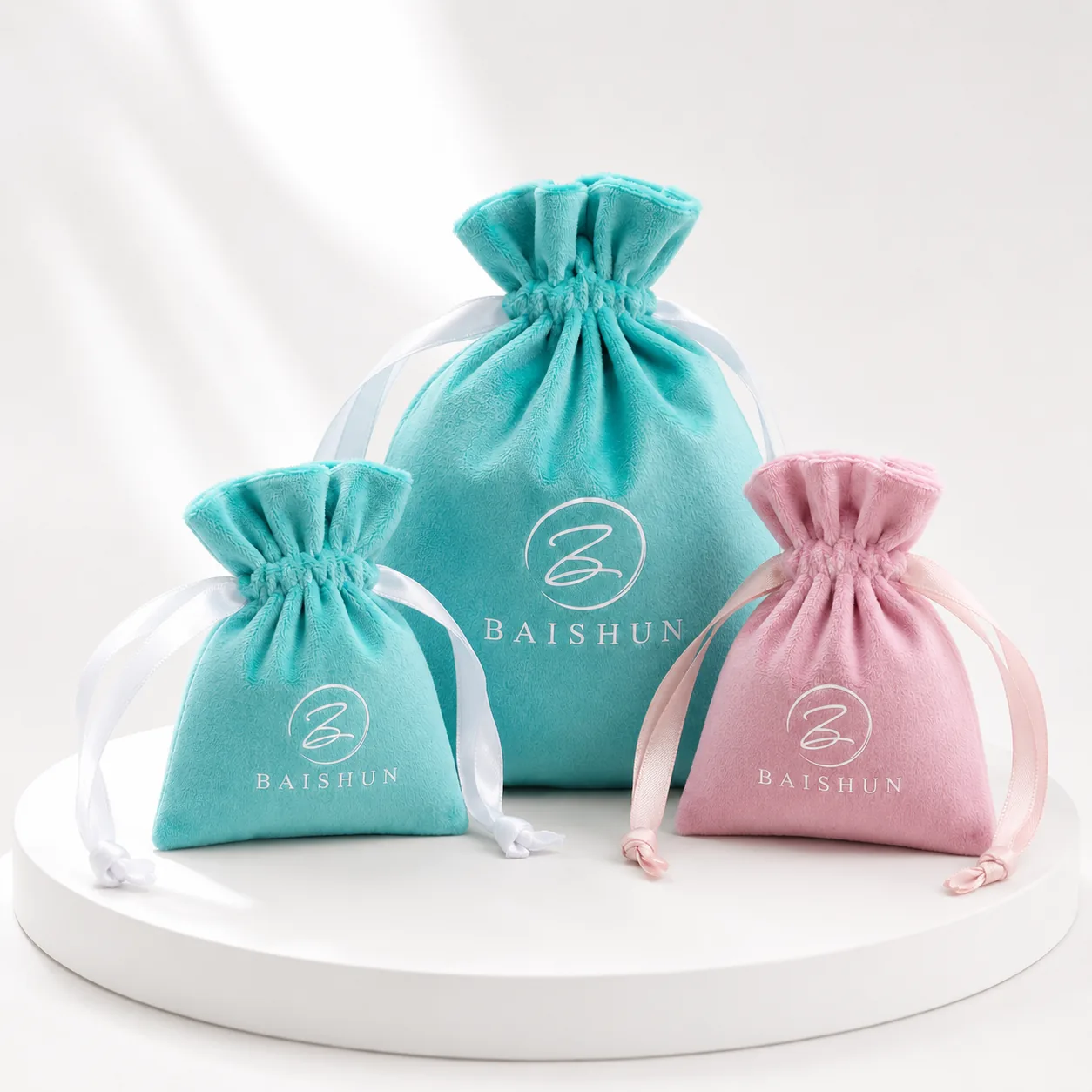
A drawstring pouch is the most forgiving format in fabric packaging — it accommodates contents that vary slightly, it reuses established patterns, and it is the fastest construction to move into production. Where a program needs several sizes or a wide colour range, this is usually the format that makes it practical.
How a drawstring closes
A drawstring gathers the mouth of the pouch rather than sealing it. It is forgiving of contents that vary slightly in size, and it presents well as a gift because opening it is a deliberate gesture. The cost is height: the channel and the gather both need headroom above the contents, so the finished pouch is always meaningfully taller than what goes in it. Specify from the packed contents and let the clearance be added to the pattern.
Check the cord runs freely and gathers evenly on a packed sample — a drawstring that closes cleanly when empty can bunch on one side when full.
A two-colour approval, not one
Contrast constructions are approved as a relationship. A trim or panel colour that reads well on a swatch card can vanish against the finished body colour or fight it, and that only becomes visible once the pouch is made. Send both references and judge them together on a single physical sample under retail lighting.
The fabric
The suede-feel surface is dense, short-pile and low-lint, which is why it is used where the fabric is in constant contact with polished metal, stones or lenses. It debosses cleanly and takes foil well. Colour shifts with pile direction, so approve a physical swatch with the nap running the production direction rather than judging from a photograph.


