Industry — Eyewear & Accessories

Eyewear Pouch & Accessory Case Manufacturing

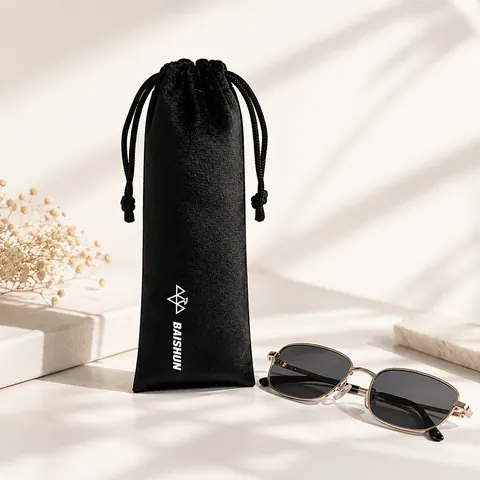
Soft eyewear sleeves and drawstring pouches for optical, sunglass and accessory programs — specified around frame dimensions and lens protection.

What We Make For This Sector

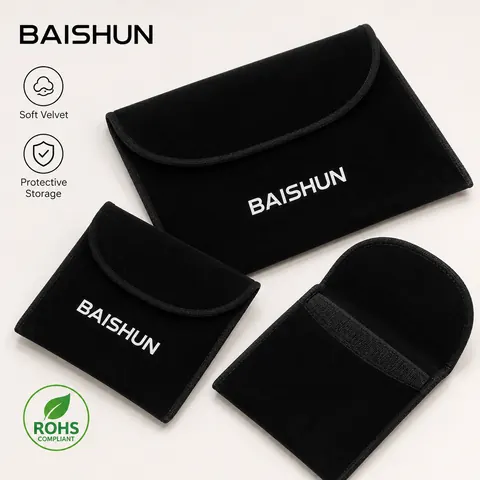
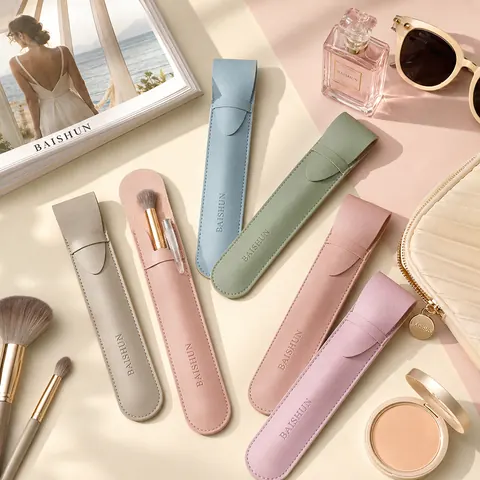
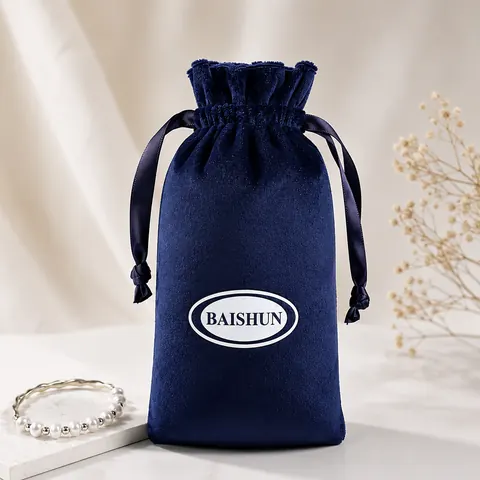
5 Approved Styles Across 2 Categories

Counts reflect the current approved catalog. Every style can be re-specified for material, size, color, closure and branding.

Before You Request a Quote

What to Specify

An eyewear pouch is specified from the frame, not from a standard size. Frame width and temple thickness set the internal dimensions, and both vary more between models than buyers expect.

The inner surface is the other decision: it is in constant contact with the lens, so the lining is worth approving physically with your own frame inside.

Frame dimensions

Send frame width, height and folded temple thickness for each model the pouch has to fit.

Lining

The inner face is in constant lens contact. Microfiber and suede-feel linings are the usual choice — approve one physically with your frame.

Single vs. multi-model

If one pouch has to cover several frame models, send the largest and smallest so the internal size can be set against both.

Closure for carrying

Drawstring and fold-over sleeves protect differently once the pouch is loose in a bag. Decide from how it will be carried.

Materials & Branding

Common Choices for Eyewear & Accessories

Drawn from the fabrics and logo finishes already in regular production. Confirm the exact fabric and finish on a physical sample before bulk.

Fabrics

Microfiber / SuedeVelvetCotton Muslin

Logo Finishes

Foil StampingDebossingSilk ScreenWoven Labels & Trims

See all fabrics and logo finishes →

Avoidable

What Usually Goes Wrong Here

Three failures specific to Eyewear & Accessories programmes — each one costs a resample if it is caught late.

Sizing one sleeve against an average frame

Frame width and folded temple thickness vary more between models than buyers expect. Send the largest and smallest frame the sleeve must cover so the internal size is set against both, not against a midpoint that fits neither.

Approving the lining without a frame in it

The inner face is in continuous lens contact. Lint transfer and coating abrasion only show with a real frame inserted and removed repeatedly — not from a swatch.

Choosing the closure from how it looks

A drawstring sleeve and a fold-over protect differently once the pouch is loose in a bag. Decide from how the eyewear is actually carried, then confirm on a packed sample.

Quality & Process

The Same Three Gates, Whatever the Sector

Raw-material traceability before cutting, in-line checks during production, and 100% finished inspection before packing — with third-party inspection welcome at any stage. The six-step path from inquiry to delivery is the same for every programme.

Common Questions

How is an eyewear pouch sized?

From the frame itself — width, height and folded temple thickness — rather than from a standard size. If one pouch has to cover several models, send the largest and smallest so the internal dimensions can be set against both.

Which lining is used against the lens?

Microfiber and suede-feel linings are the usual choice where the fabric is in constant lens contact. Approve the lining physically with your own frame inside before production.

Can the pouch carry our brand mark?

Foil stamping, debossing, silk screen and woven labels are all available. Send vector artwork with the placement and size so the finish can be checked on the selected lining fabric.

Do you make hard cases as well?

The current approved catalog covers soft pouches and sleeves. Send your requirement and the team will confirm what can be specified for your program.

Eyewear & Accessories

Send Your Specification

Share the product that goes inside, target quantity, artwork and destination. The team will confirm construction, sampling and timing for your project.

Get a QuoteWhatsApp