

Industries

Packaging Programs by Sector

The same nine product categories get specified very differently depending on what goes inside. These pages cover what to send us, which fabrics are normally used, and what is already approved in the catalog for each sector.

Why Sector Matters

The Same Nine Constructions, Specified Differently

A drawstring pouch, a flap envelope and a zip pouch are the same nine base constructions regardless of what goes inside them — the difference between a jewelry programme and a cosmetics programme is not the pouch, it is which questions have to be answered before the pouch can be made. Surface contact matters for jewelry and eyewear, where the fabric touches a polished or coated surface continuously. Packed-set sizing matters for cosmetics and gift sets, where several items share one internal space. Load and handle construction matter for totes and promotional bags, which carry weight rather than present it.

These pages exist because getting that one sector-specific question right the first time is what separates a programme that samples cleanly from one that needs a second round. Each page below lists what to send, which fabrics are already in production for that sector, and the specific mistake that most often costs a resample.

Quick Reference

What Matters Most, By Sector

The single biggest specification question for each sector — see the full page for the rest.

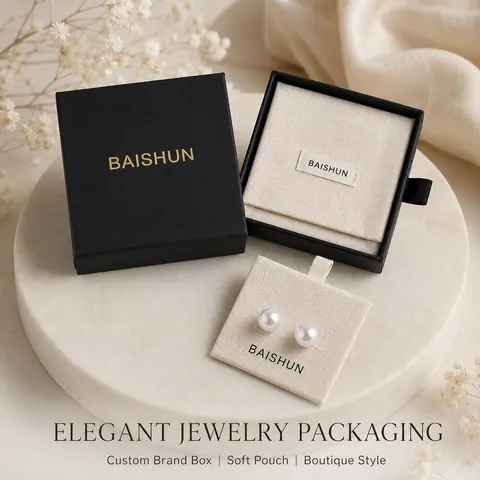
Jewelry BrandsSurface contact — State which fabric face touches the piece. Suede-feel and microfiber linings are the usual choice for polished metal and stones; confirm the finish on a physical swatch with your own piece inside.
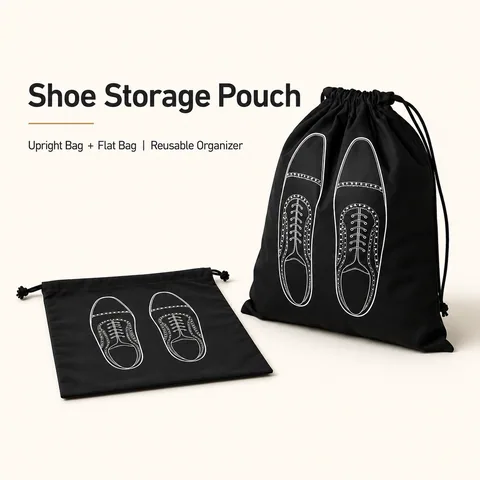
Handbag & Footwear BrandsBreathability — Stored leather and textile need air exchange. Cotton is the usual specification for this reason; a sealed non-breathable wrap traps humidity against the item.
Gift & Retail BrandsProduct fit — Send the packed dimensions of what goes inside, not the pouch size you have in mind. Internal size is specified from the product.
Travel & Everyday CarryRepeat use — State that the pouch will be reused. Fabric weight, stitching and closure hardware are specified differently for repeat handling than for gift packaging.
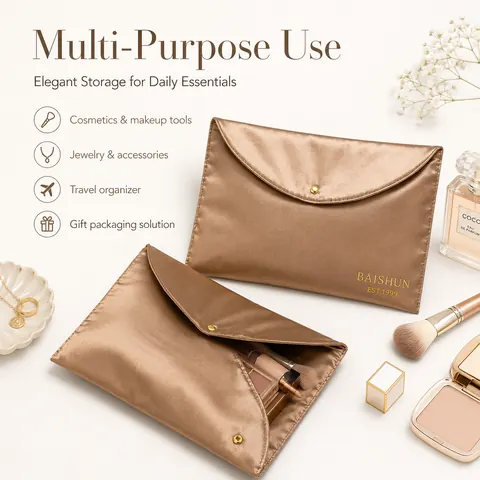
Beauty & CosmeticsPacked set, not single item — List every item that goes in the pouch with its dimensions. A pouch sized from the biggest bottle alone usually will not close over the full set.
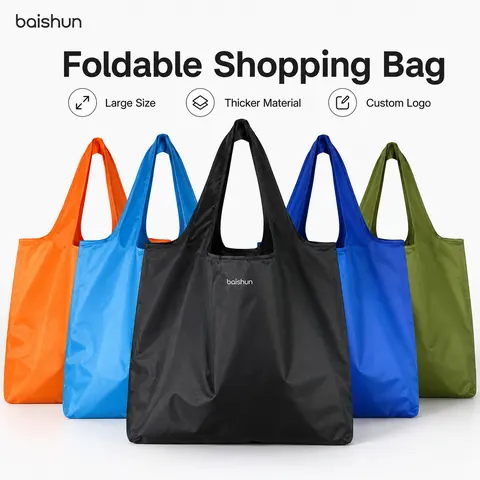
Retail & PromotionalLoad and handle — State the intended load. Handle length, attachment and fabric weight are specified from it, and should be checked on a loaded sample.
Office, Document & TechExact device dimensions — Send the real measured dimensions including thickness and any case, not the marketing screen size.
Eyewear & AccessoriesFrame dimensions — Send frame width, height and folded temple thickness for each model the pouch has to fit.

Common Questions

My programme spans more than one sector — which page should I use?

Start with the sector your end customer buys in, since that decides the buying-side questions (surface contact, closure, decoration) that matter most. A jewelry brand selling through a beauty retailer, for example, should specify from the jewelry page first — surface contact with the piece is the constraint, not the retail channel. Send both contexts in the inquiry and the specification can account for both.

Is the specification process different between sectors?

The inputs are the same six-step path for every programme — inquiry, mock-up, sampling, approval, production, QC and shipping — but what has to be sent up front differs. A jewelry programme needs the piece's dimensions and tarnish sensitivity; a cosmetics programme needs the full packed set; an eyewear programme needs the frame's folded thickness. Each sector page lists what to send for that one.

What if my product does not fit any of these seven sectors?

The specification path is unchanged: send what goes inside, the quantity, your artwork and the destination. Most programmes not listed here still resolve to one of the nine base constructions in the catalogue — a drawstring, flap, zip or rigid format — so browsing the product categories directly can also be a faster starting point.

Not Listed?

Most Programs Start From the Same Inputs

If your sector is not above, the specification path is the same: send what goes inside, the quantity, your artwork and the destination. The team will confirm construction, fabric and sampling from there.

Get a QuoteWhatsApp