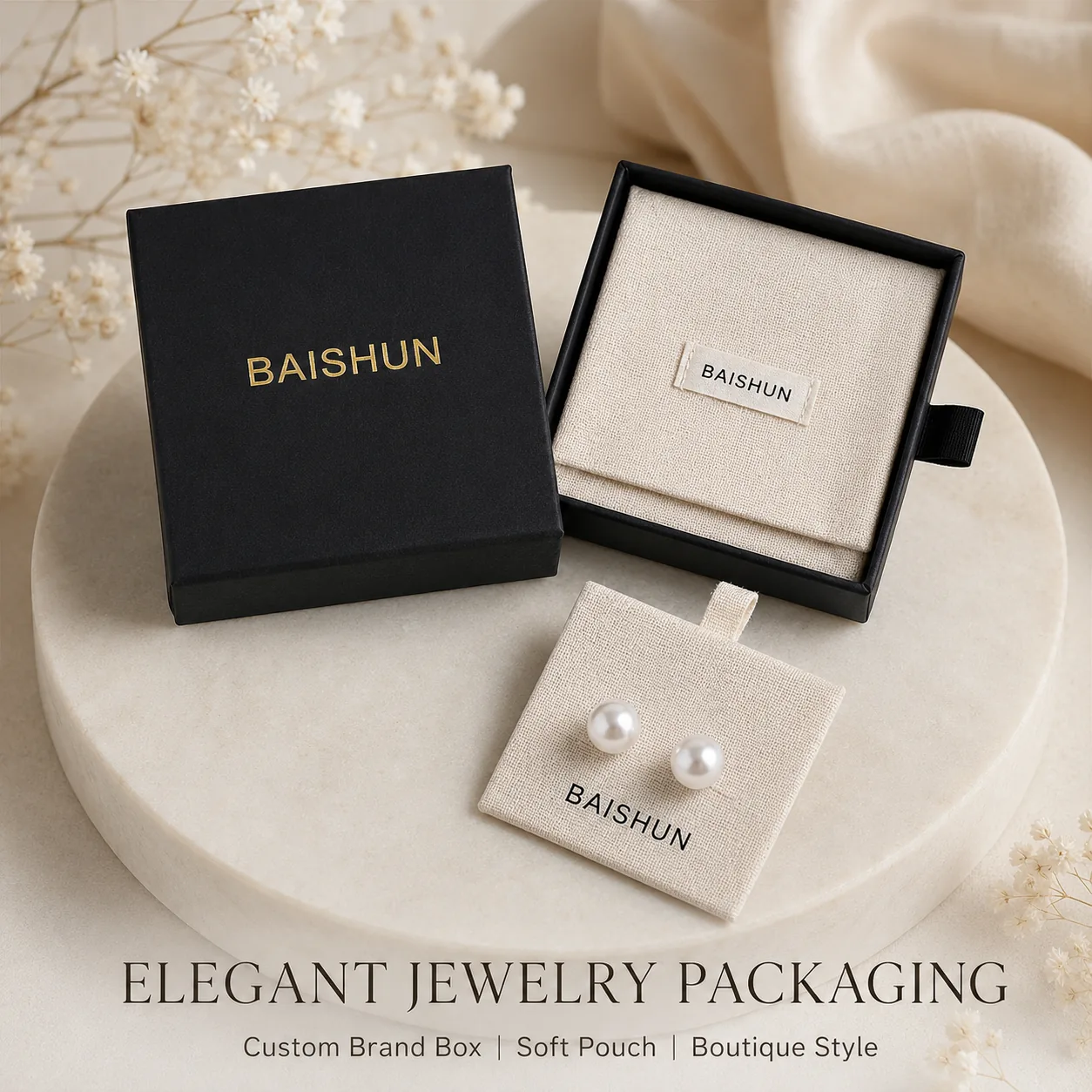
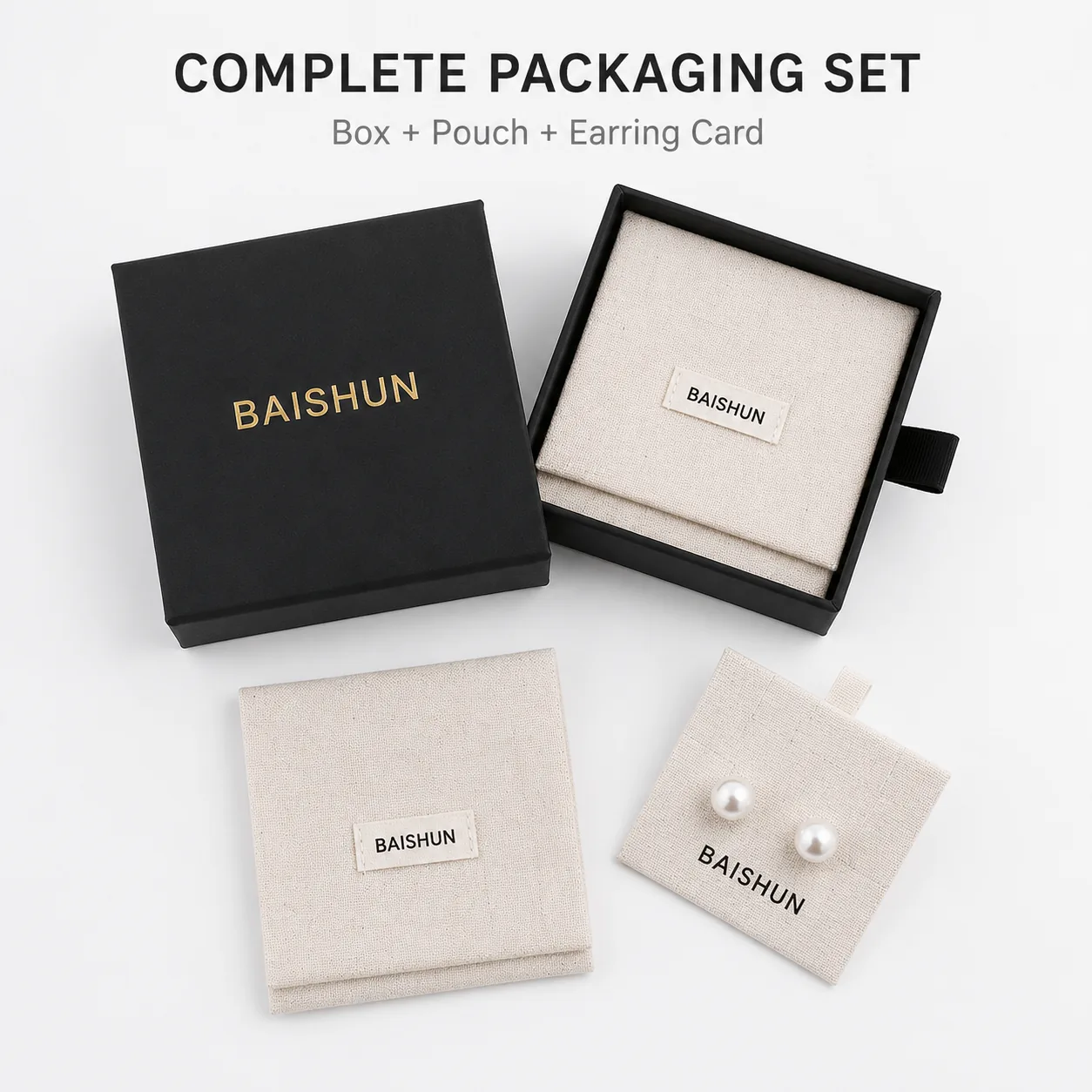

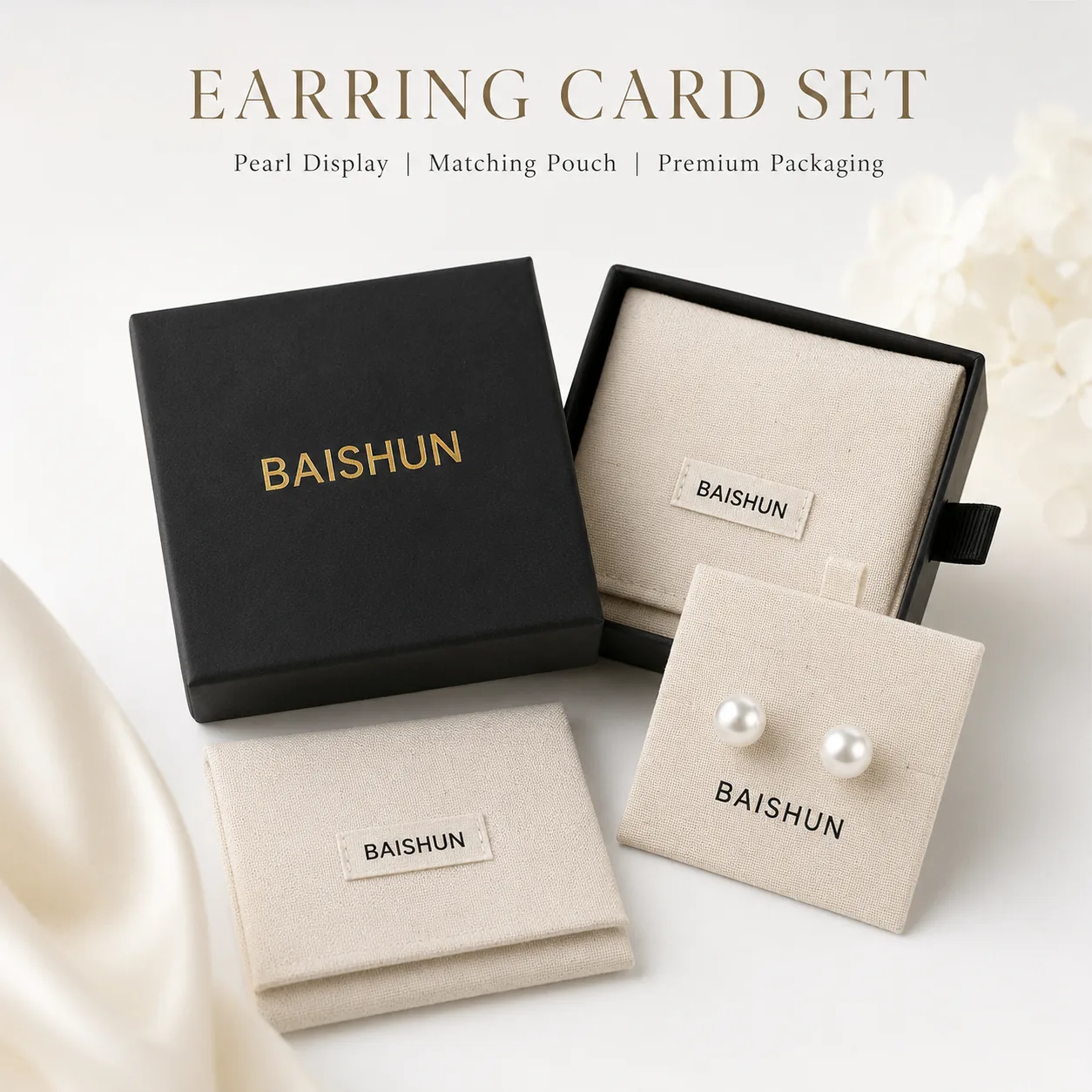


A box and a pouch specified together
Coordinated sets are approved across materials, and this is where they usually go wrong: the same colour reference reproduces differently on paperboard and on fabric, so a set signed off from artwork arrives visibly mismatched.
Approve the box and the pouch side by side, as physical samples, under the lighting the product will sell in. It is the only way to judge the relationship rather than the two components separately.
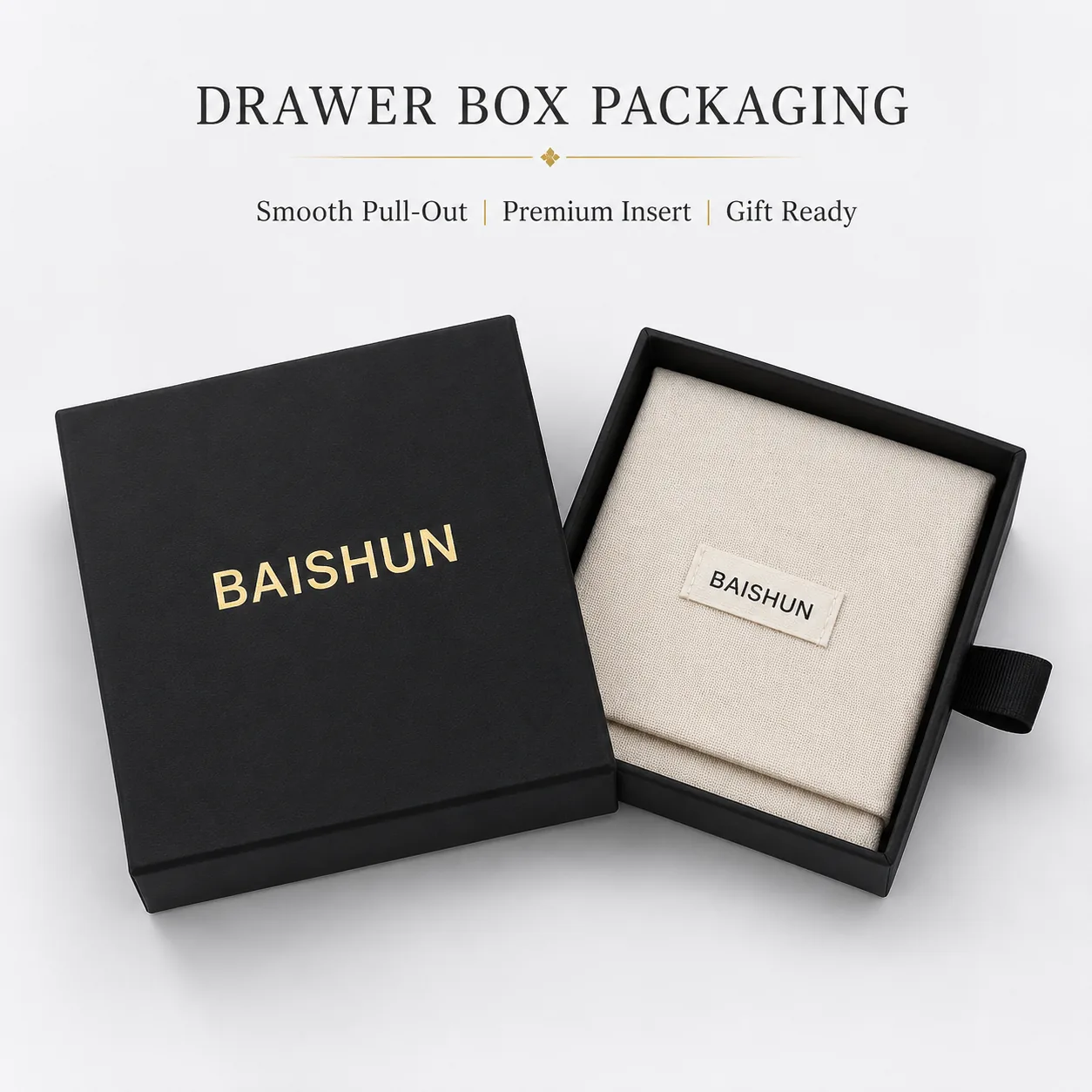
The drawer fit is the product
The sliding tolerance between tray and sleeve is what makes a drawer box feel considered or cheap. Too tight and it binds or damages the wrap; too loose and it opens in transit.
That tolerance is set in the die, not written as a number, which means the physical sample is the only meaningful approval. Test it loaded with the actual product and insert — an empty drawer runs differently from a full one.
Board weight decides freight as well as feel
Rigid boxes ship assembled unless they are designed to fold, and packaging is bulky relative to its value — so shipped volume drives landed cost here more than weight does.
Confirm board weight and whether the box ships flat at specification stage, alongside carton dimensions and total cubic volume. Those numbers matter as much as the unit price.


