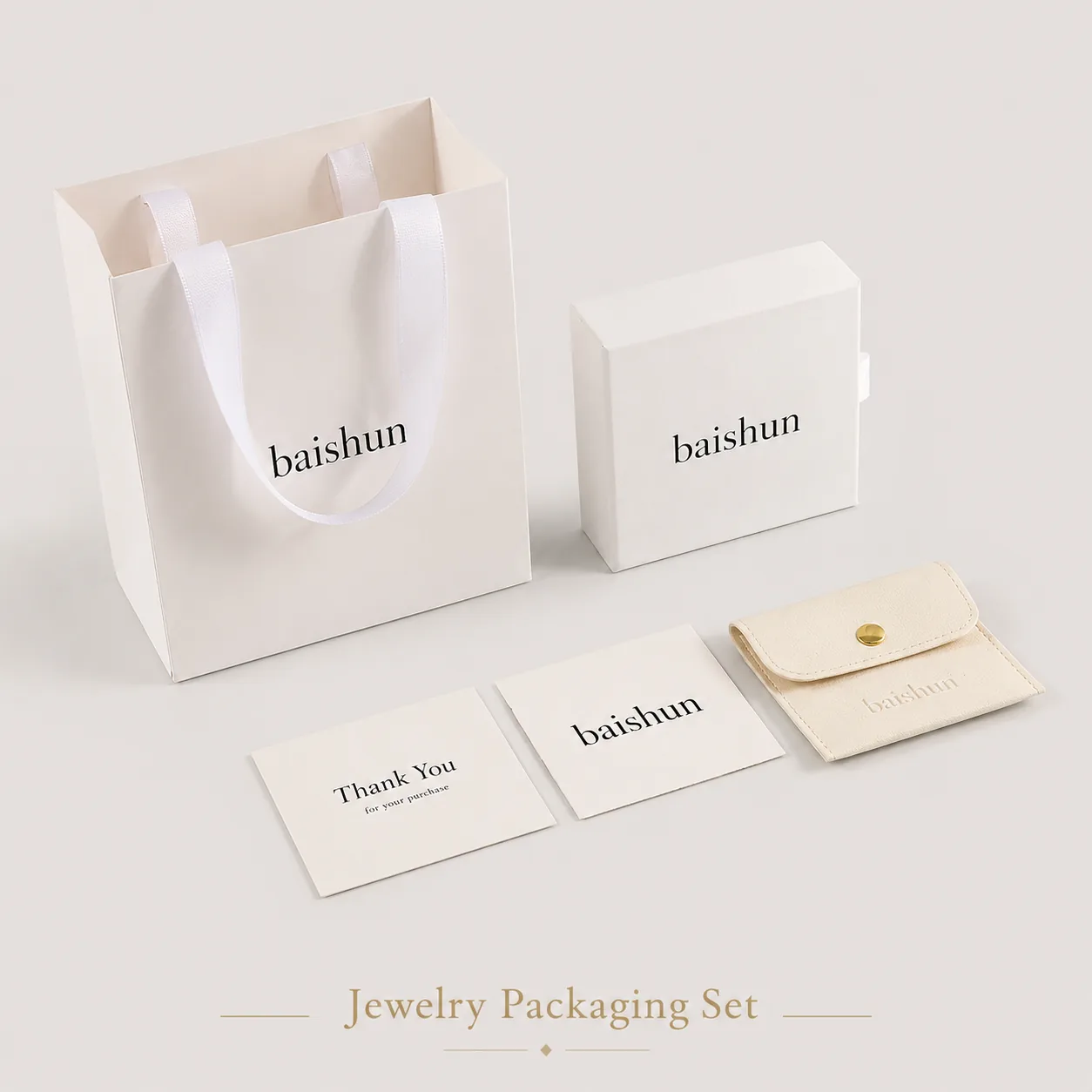
How a paper bag is built
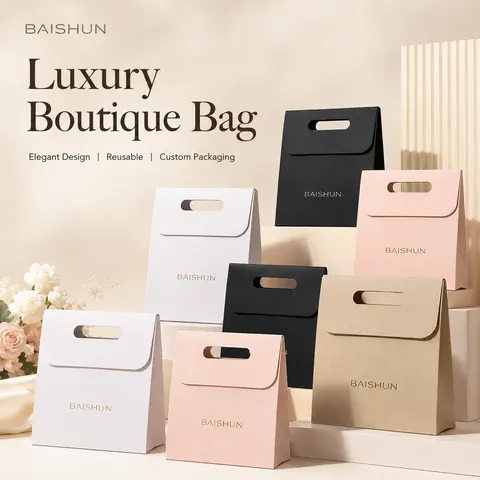
A paper gift bag is judged at the handle. That attachment takes the entire load every time the bag is lifted, and it is where a bag fails — usually by tearing through the paper rather than by the handle breaking. Board weight, reinforcement at the top edge and handle type are specified together from the intended load, and confirmed on a loaded sample.
How the handles are specified
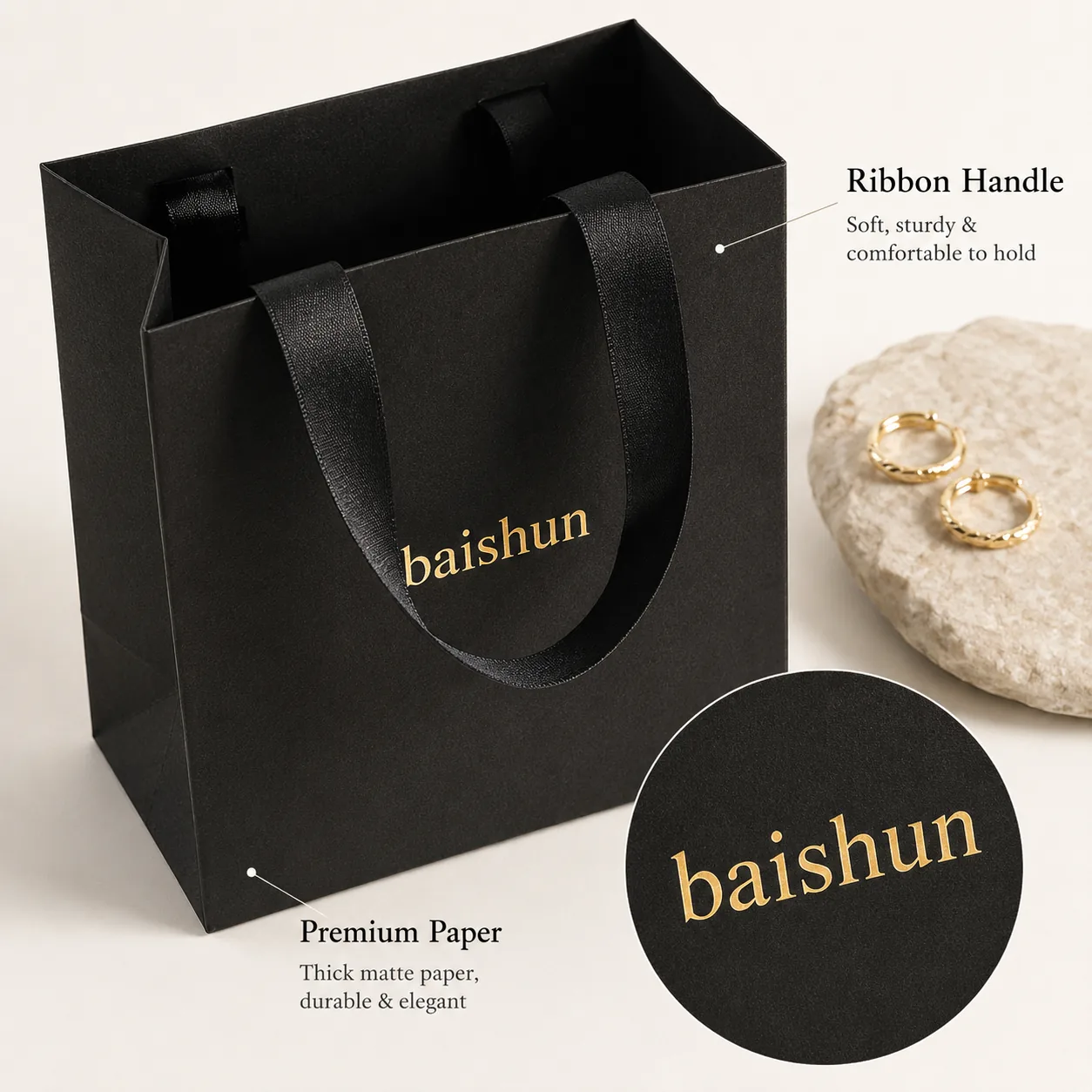
Handles are the load path of the whole product. Attachment method, reinforcement at the join and handle drop are all specified from the intended load, and drop also decides whether the bag is carried on the shoulder or in the hand — the two need different lengths and are not interchangeable after production.
Confirm on a physically loaded sample, carried the way customers will carry it, rather than from a drawing.
A two-colour approval, not one
Contrast constructions are approved as a relationship. A trim or panel colour that reads well on a swatch card can vanish against the finished body colour or fight it, and that only becomes visible once the pouch is made. Send both references and judge them together on a single physical sample under retail lighting.
The fabric
Paper weight decides whether the bag holds its shape when loaded and whether the handle attachment tears out. It is specified from the intended load rather than chosen by feel, and it should be confirmed on a sample loaded to the weight it will actually carry.
Source This Exact Reference: BOX-006
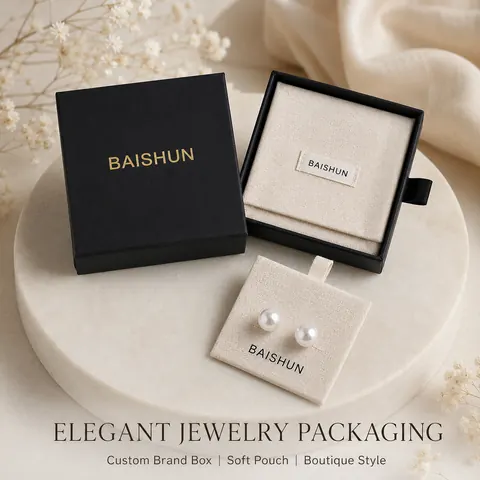
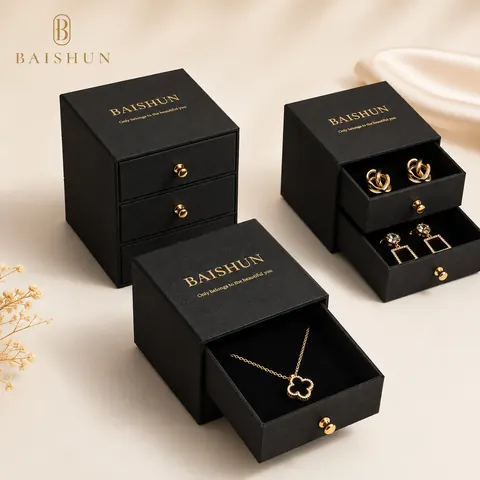
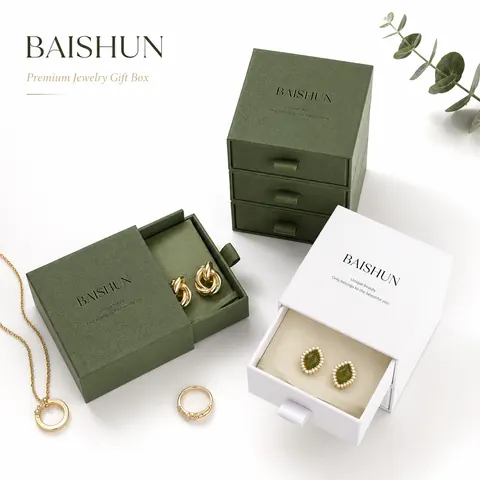
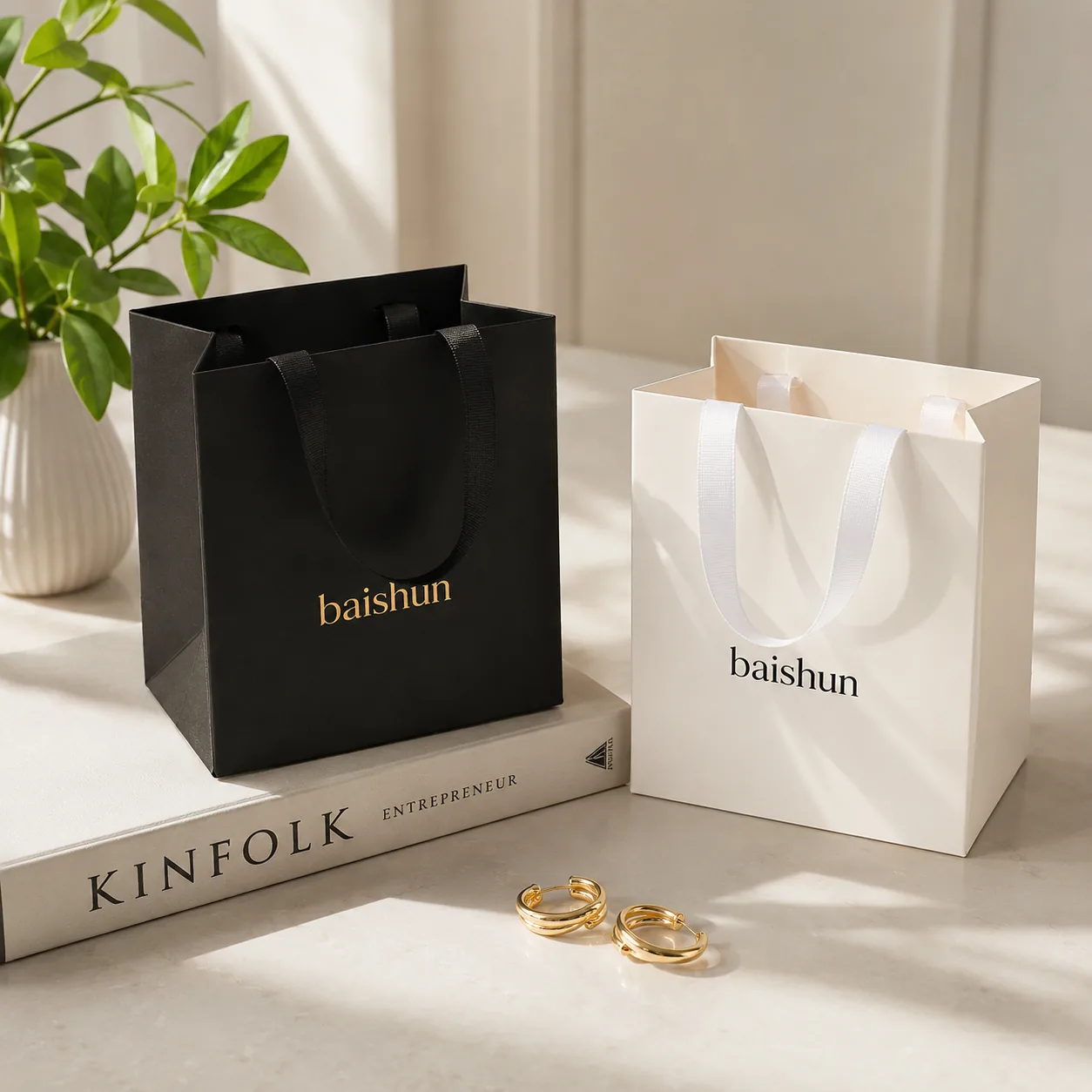
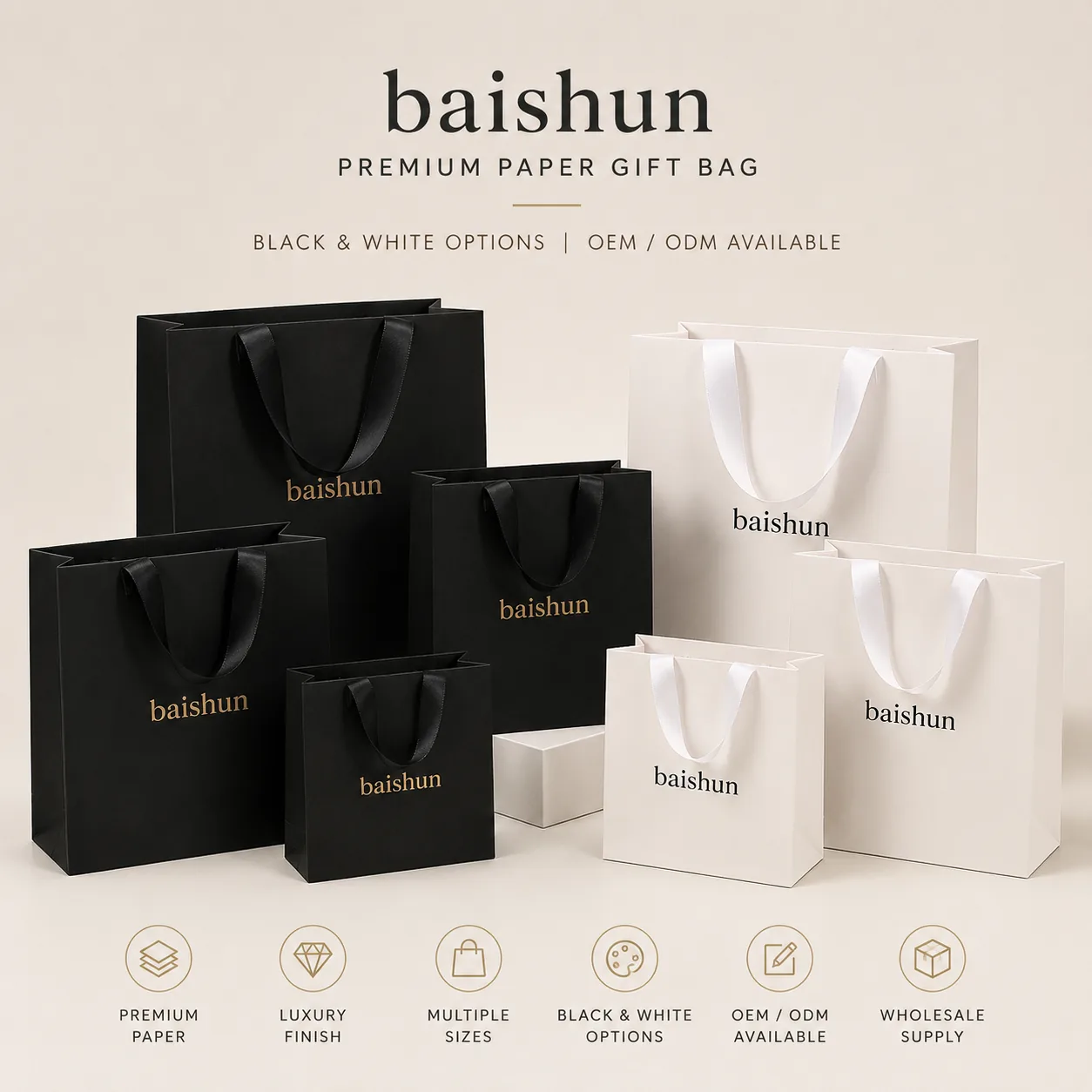
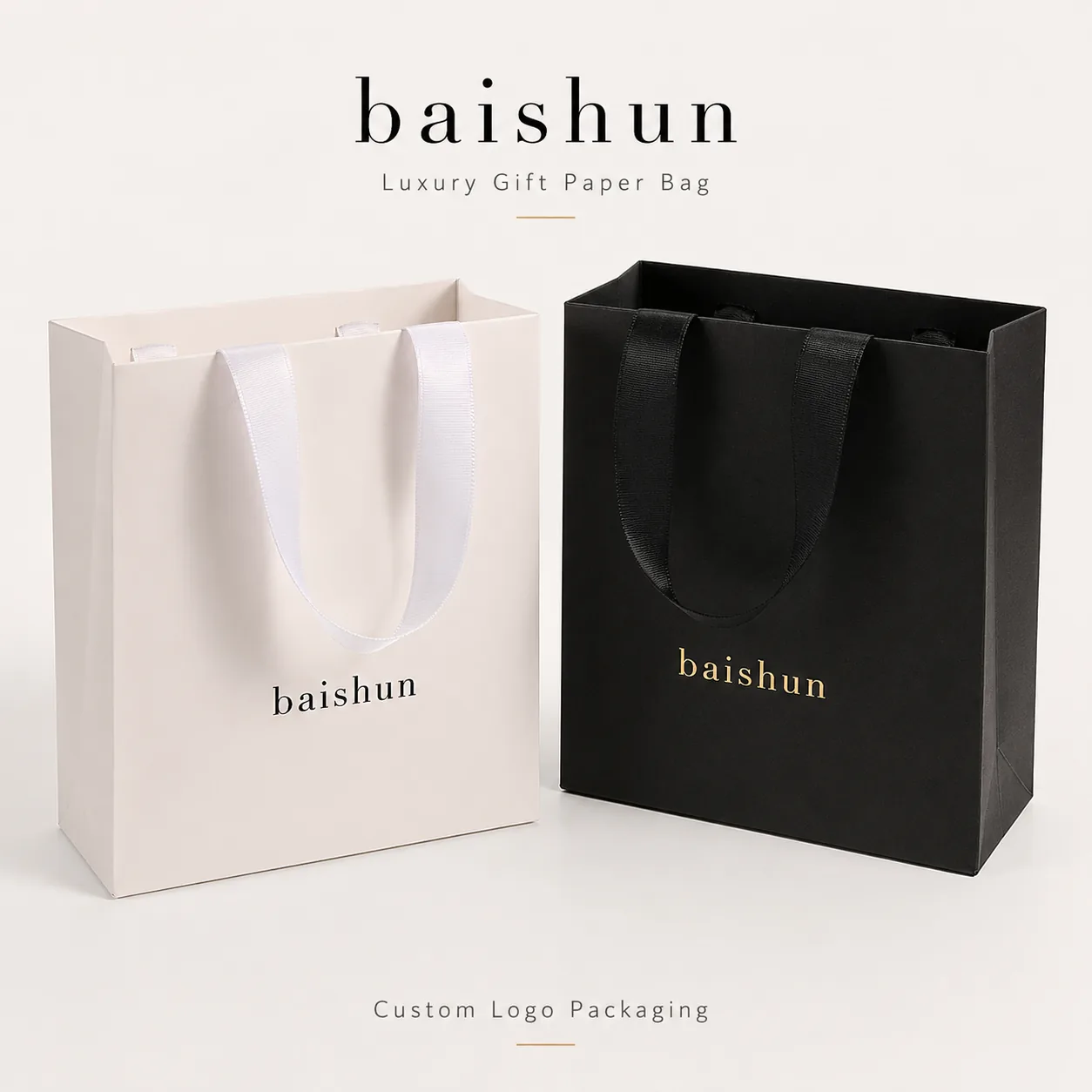
Reference identity. Ask for “Contrast-Handle Paper Gift Bag” and include SKU BOX-006. The published gallery displays 6 views, so the sales team can separate this photograph from similar packaging boxes.
Specification checkpoint. Published reference fields are Product Type: Paper Gift Bag; Material: Paper; Closure: Handle, Open Top; Applications: Gift Packaging, Retail Packaging; Available Variations: Black and White, Multiple Sizes. Confirm the product dimensions, insert layout, board and surface finish, opening style and artwork before sampling.
Comparable quote input. Send the item dimensions, order quantity, destination, artwork and target use with the SKU. Pricing, MOQ and timing are confirmed against those inputs rather than inferred from the photograph.