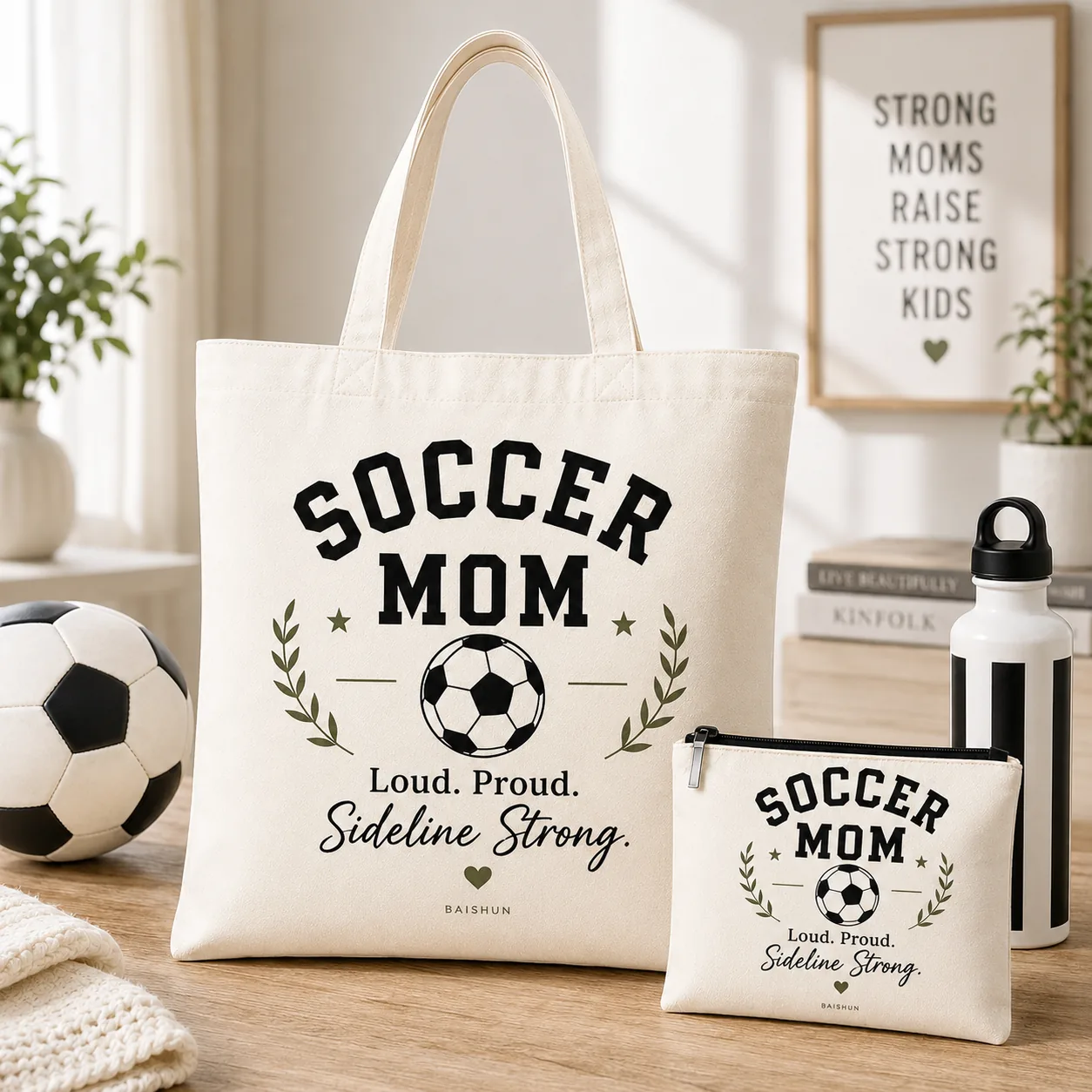
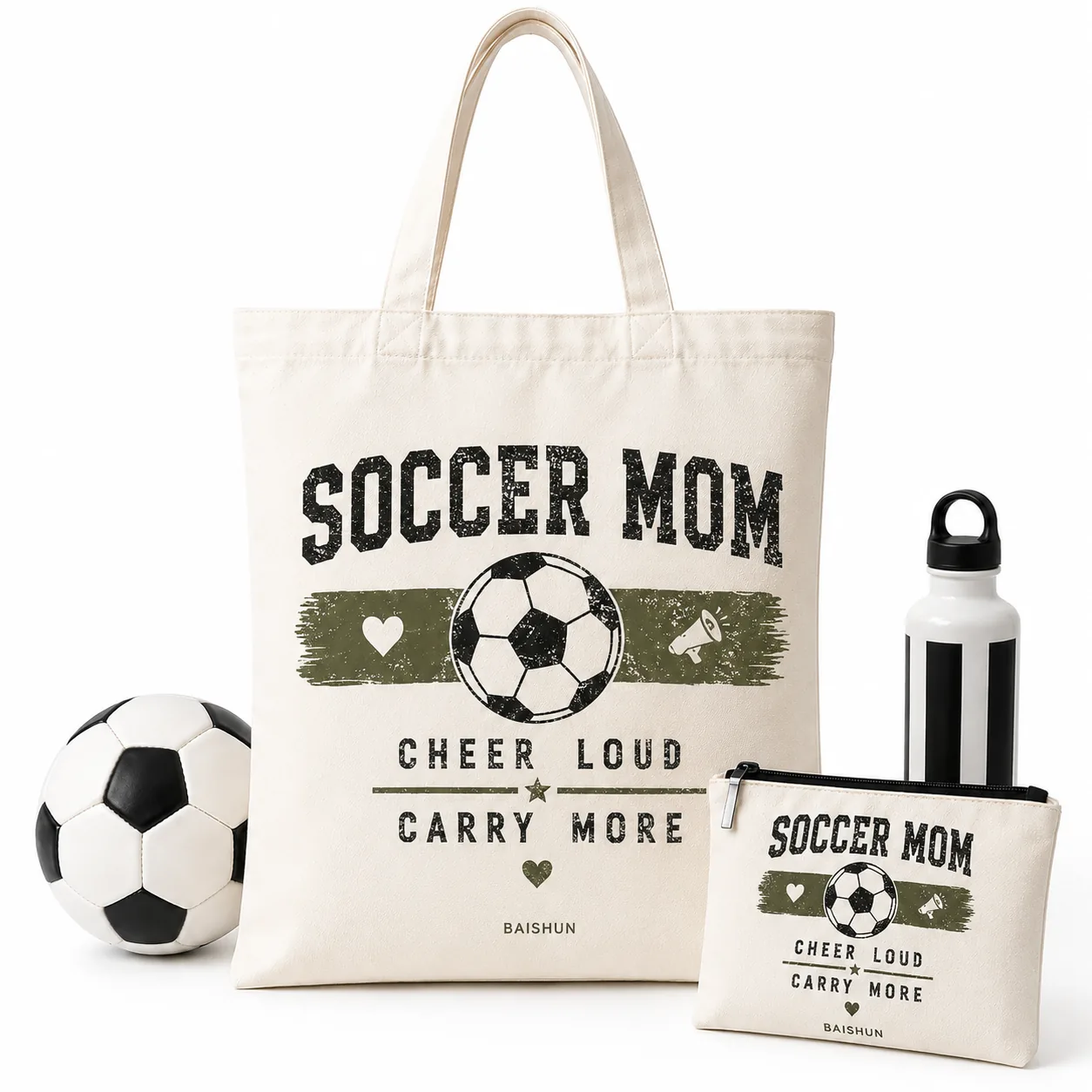


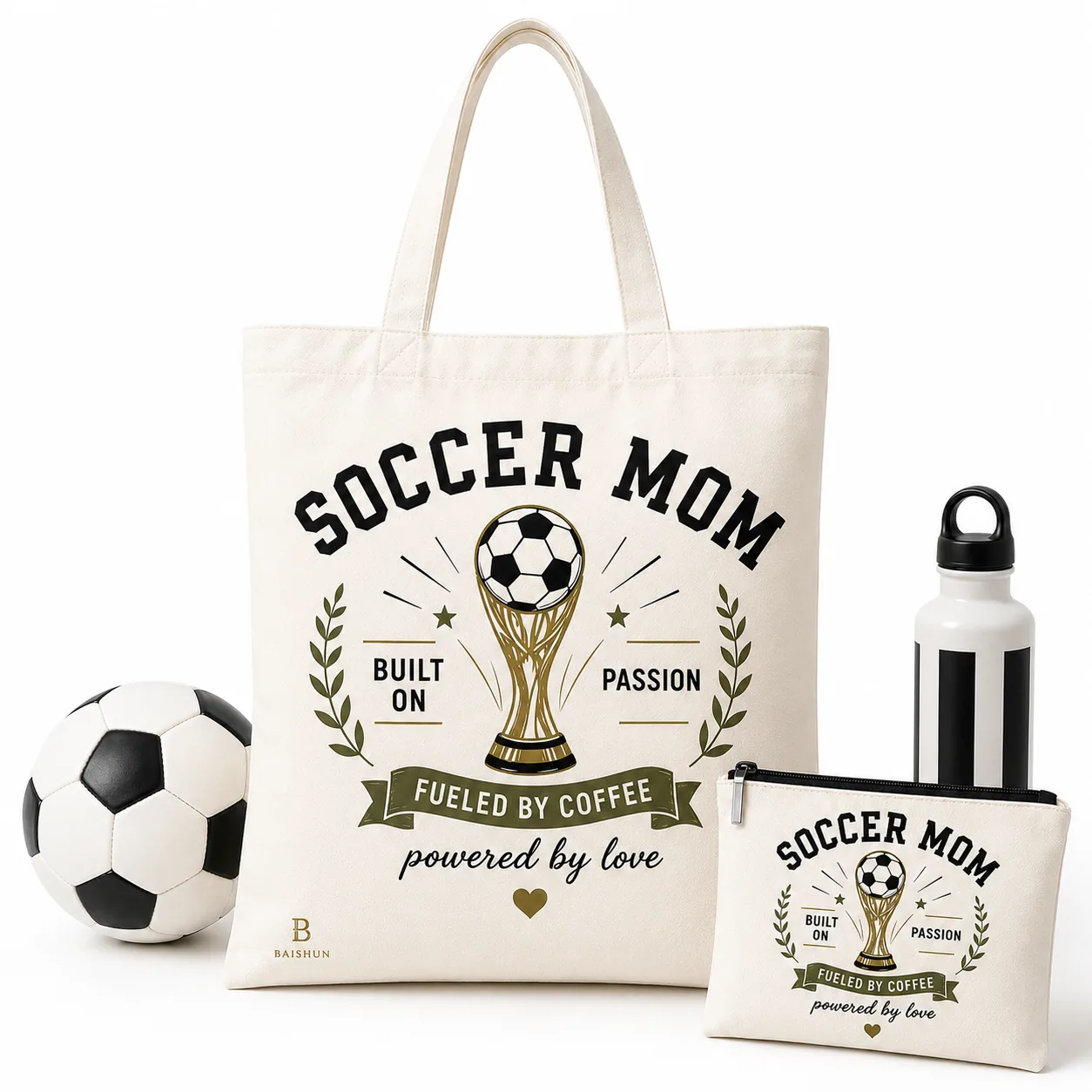

Built to carry weight
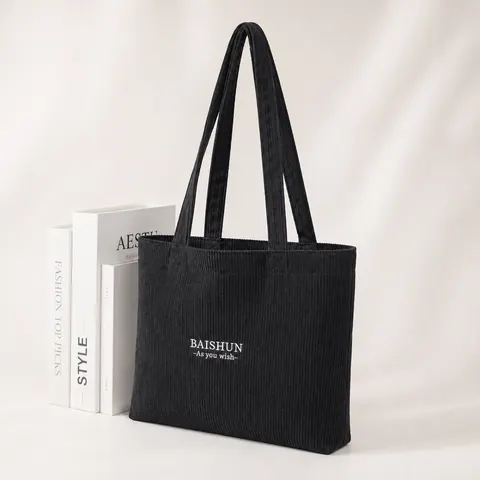
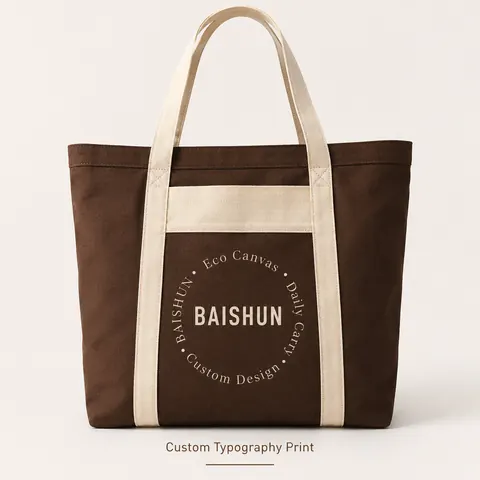
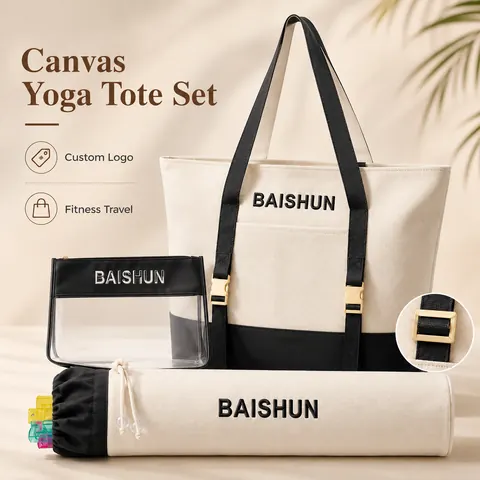
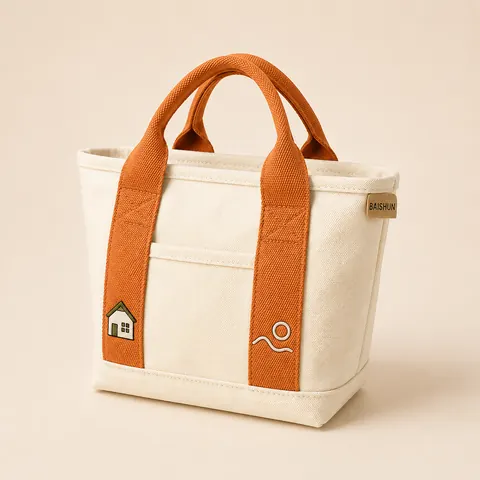
A tote is a load-bearing product rather than a package, which puts the specification in the handles and the seams rather than the surface. Handle attachment, handle drop and fabric weight are all set from the load you expect to carry, and all three should be confirmed on a physically loaded sample. State the heaviest expected contents and whether it is carried on the shoulder or in the hand.
How the open-top construction works
No closure at all: the pouch is a sleeve or liner that protects against dust, scratching and contact rather than containing contents. It is used as an inner within a box, or where the item is inserted and immediately placed inside something else.
Confirm depth relative to the contents — an open-top sleeve that is too shallow leaves the item exposed at exactly the point it needs covering.
The fabric
Cotton canvas carries load and holds structure, and it is the best print surface here — silk screen for spot colours, heat transfer for multi-colour artwork. Fabric weight is specified from the heaviest expected contents rather than chosen by look.
Source This Exact Reference: TOT-011
Reference identity. Ask for “Soccer Theme Printed Canvas Tote” and include SKU TOT-011. The published gallery displays 6 views, so the sales team can separate this photograph from similar tote bags.
Specification checkpoint. Published reference fields are Product Type: Printed Tote Bag; Material: Canvas; Closure: Open Top; Applications: Everyday Carry, Event Gifts; Available Variations: Multiple Designs, Coordinating Small Pouch. Confirm load, finished dimensions, handle construction, fabric weight and usable print area before sampling.
Comparable quote input. Send the item dimensions, order quantity, destination, artwork and target use with the SKU. Pricing, MOQ and timing are confirmed against those inputs rather than inferred from the photograph.