
Where the specification actually lives
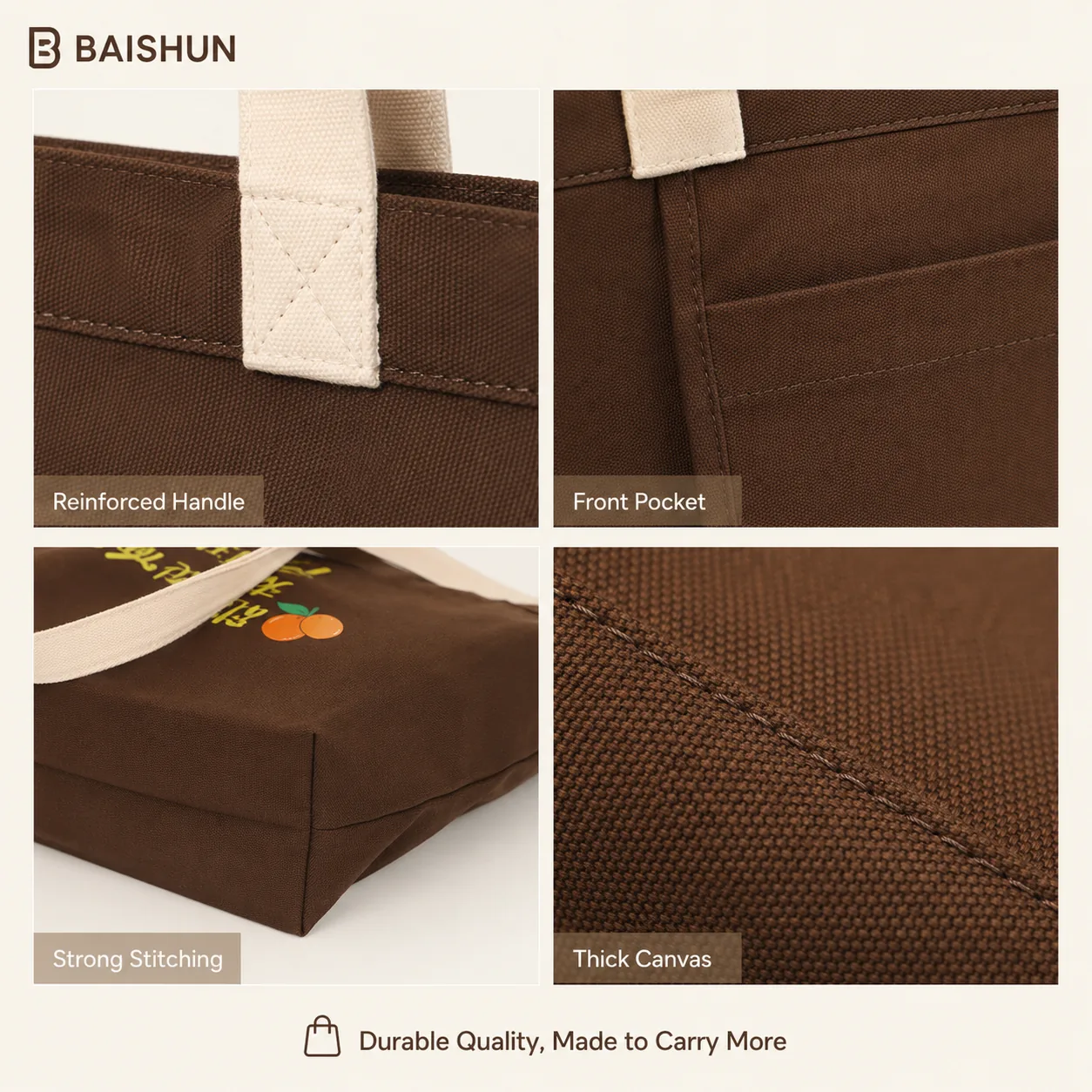
On a tote, almost nothing that matters is visible in a product photograph. Handle attachment, seam construction and fabric weight decide whether the bag survives its second year, and all three are invisible until the bag is loaded.
That makes the loaded sample the only meaningful approval on this product. Fill it to the weight your customers will actually carry, lift it repeatedly, and look at the handle joins afterwards rather than before.
Two-tone is two approvals
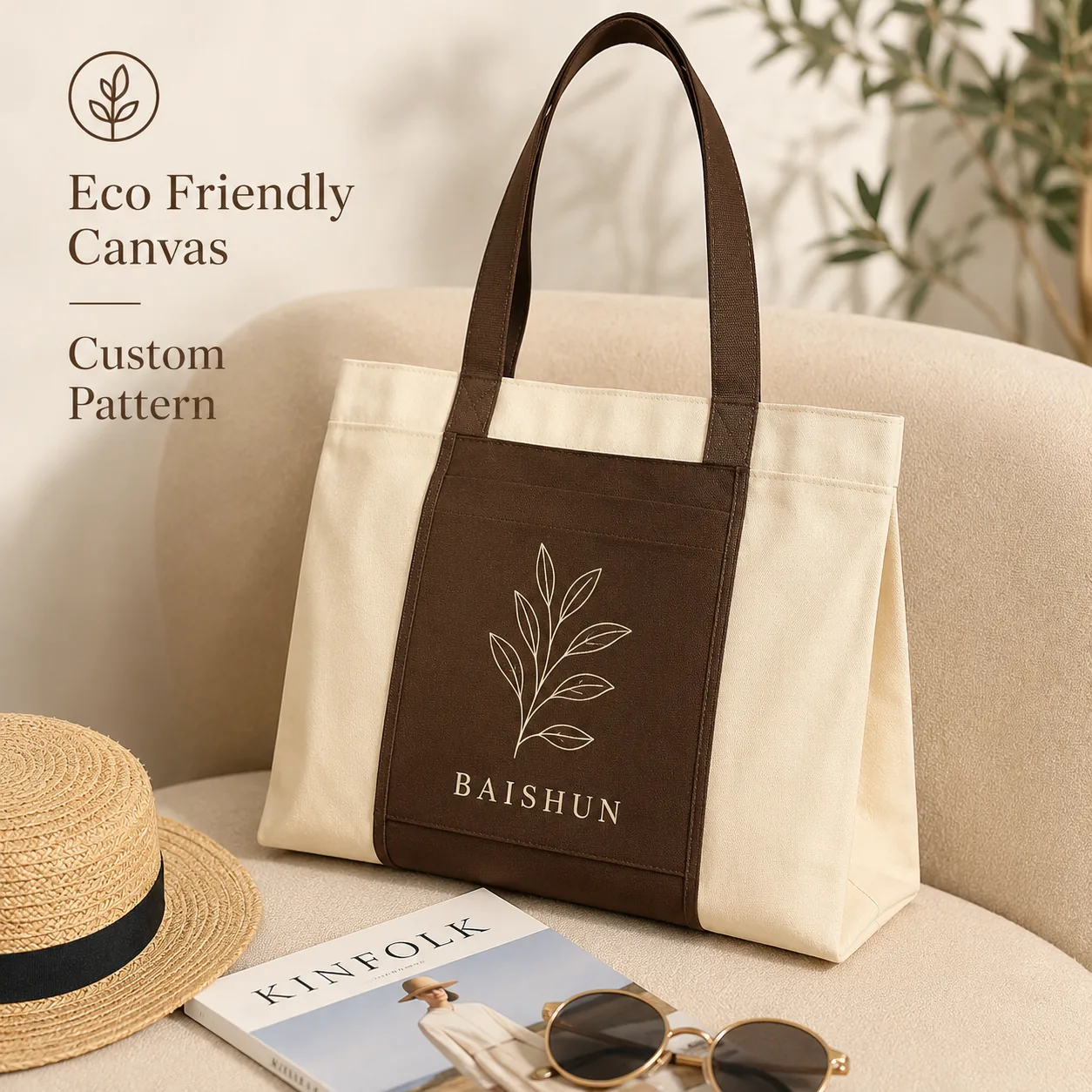
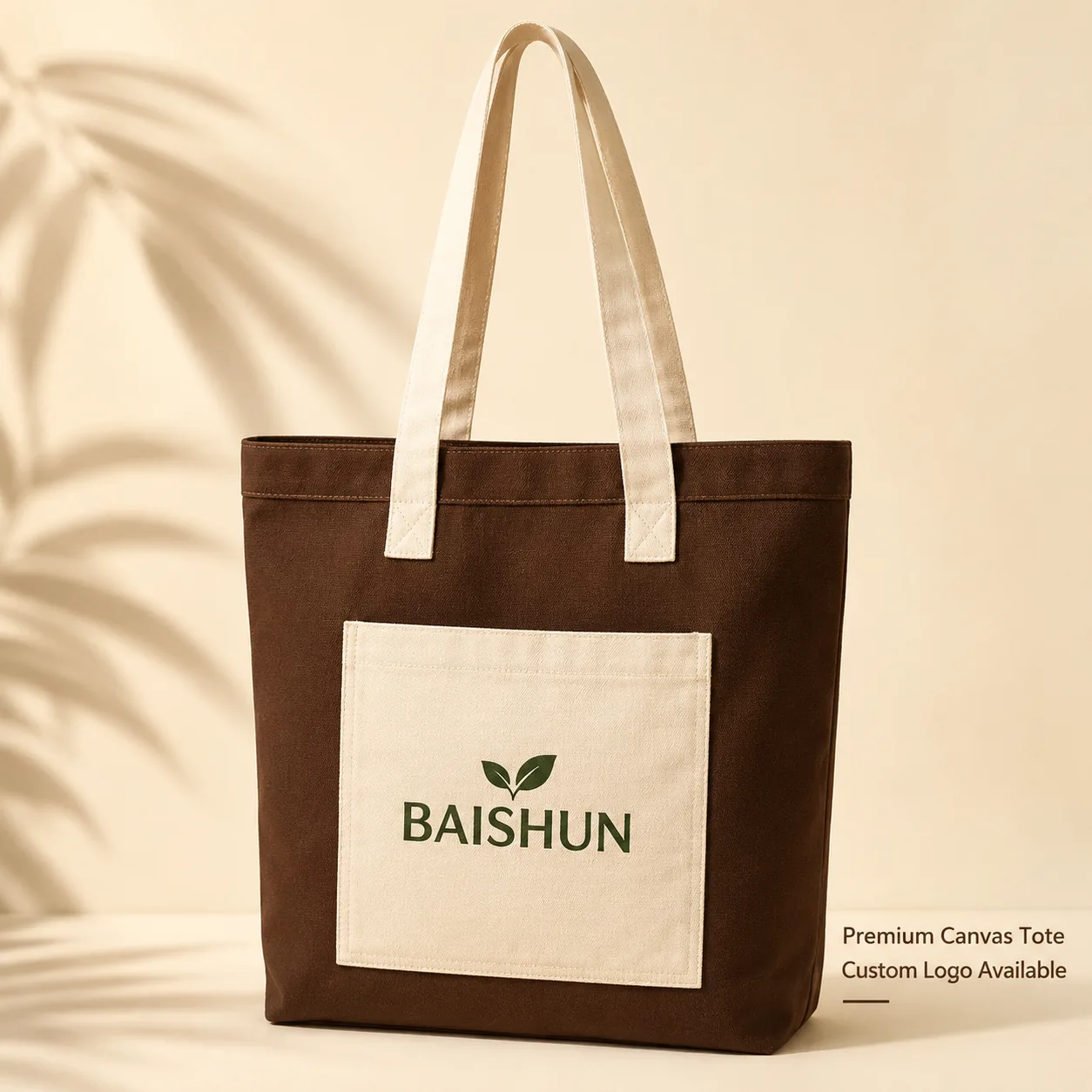
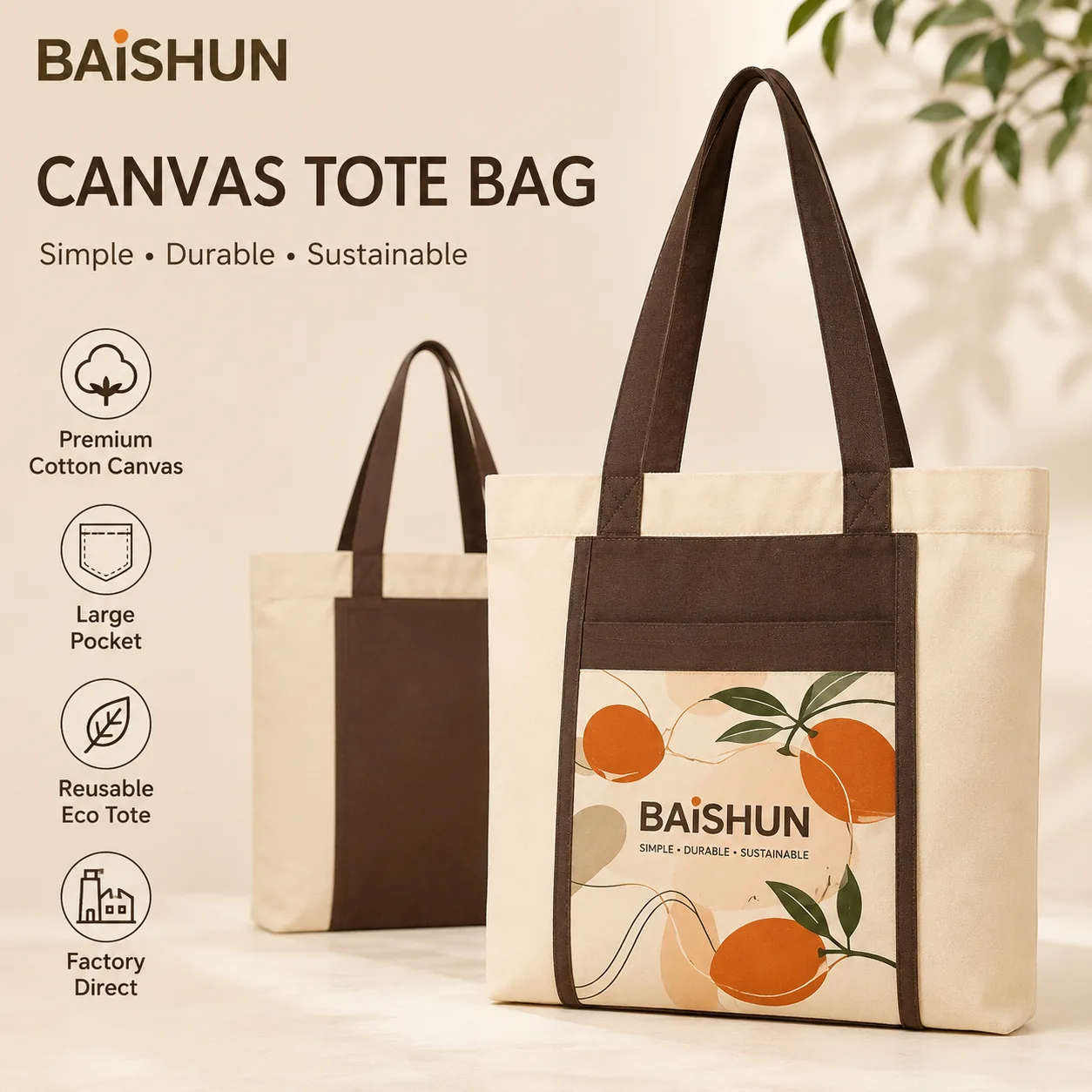
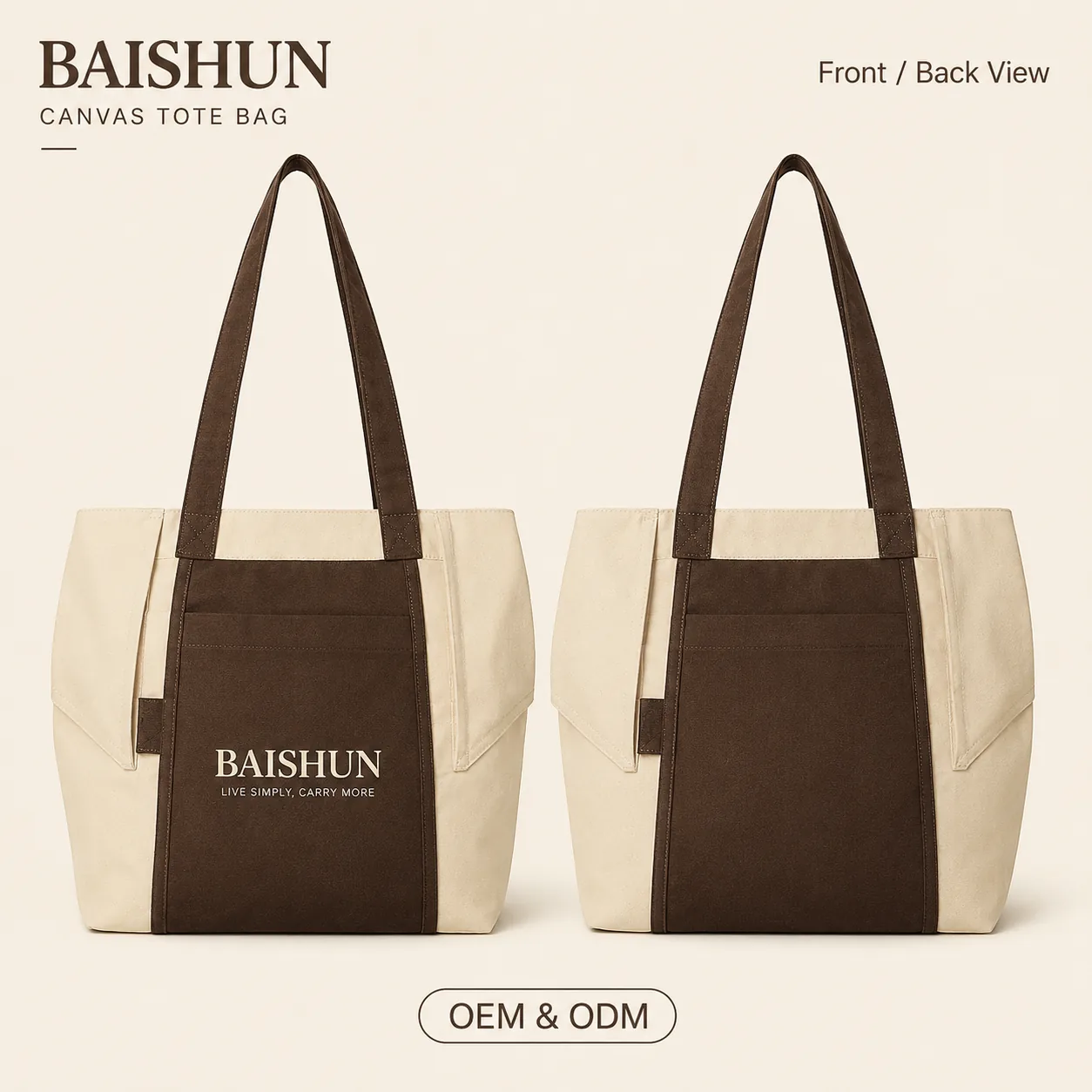
A contrast body and base is approved as a relationship rather than as two colours. Natural and dyed cotton also age differently — the undyed panel will shift slightly with washing and light where the dyed one holds, so a pairing that matches on day one can drift.
If the bag is a long-lived retail item rather than a promotional giveaway, that is worth raising at sampling.
Print area is smaller than the panel
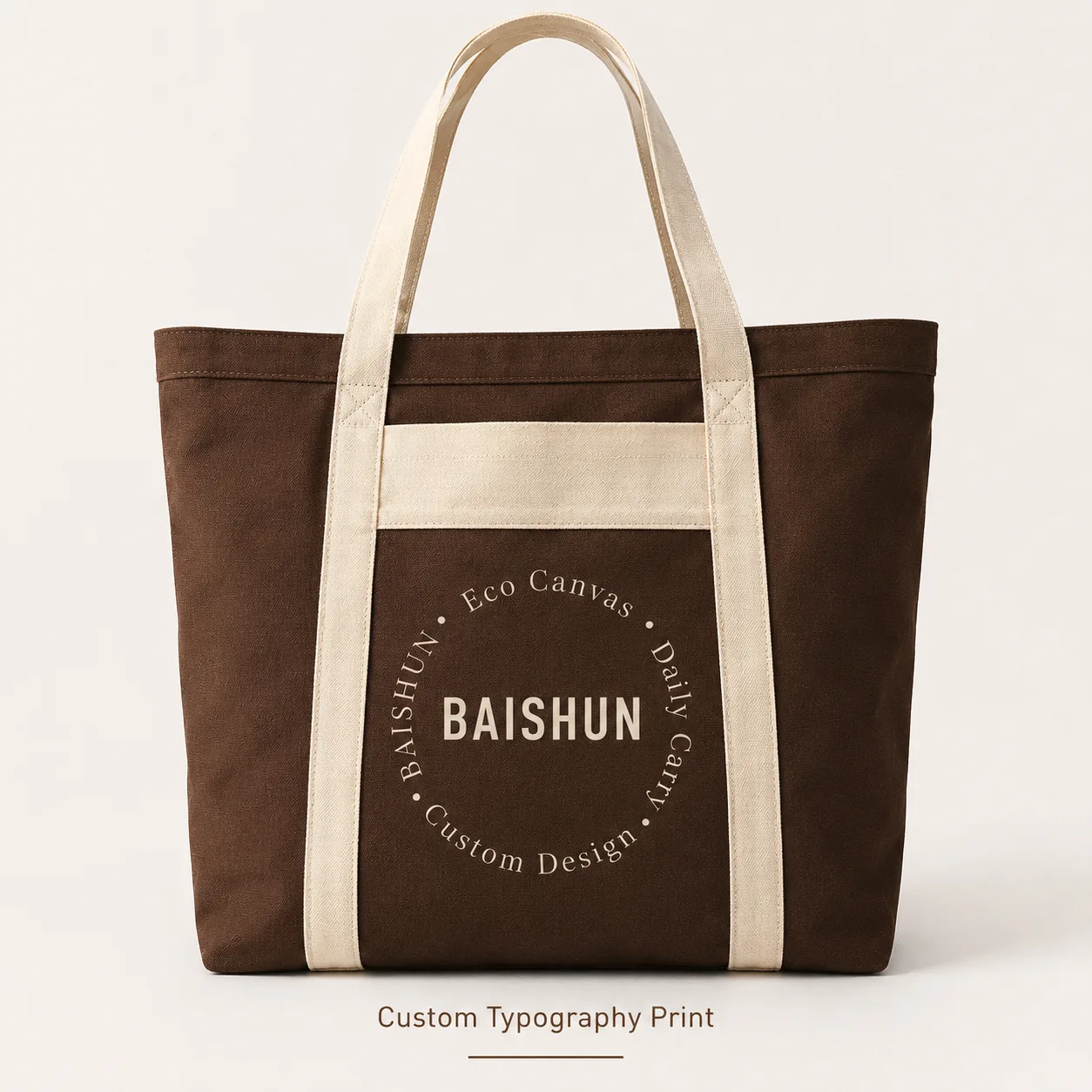
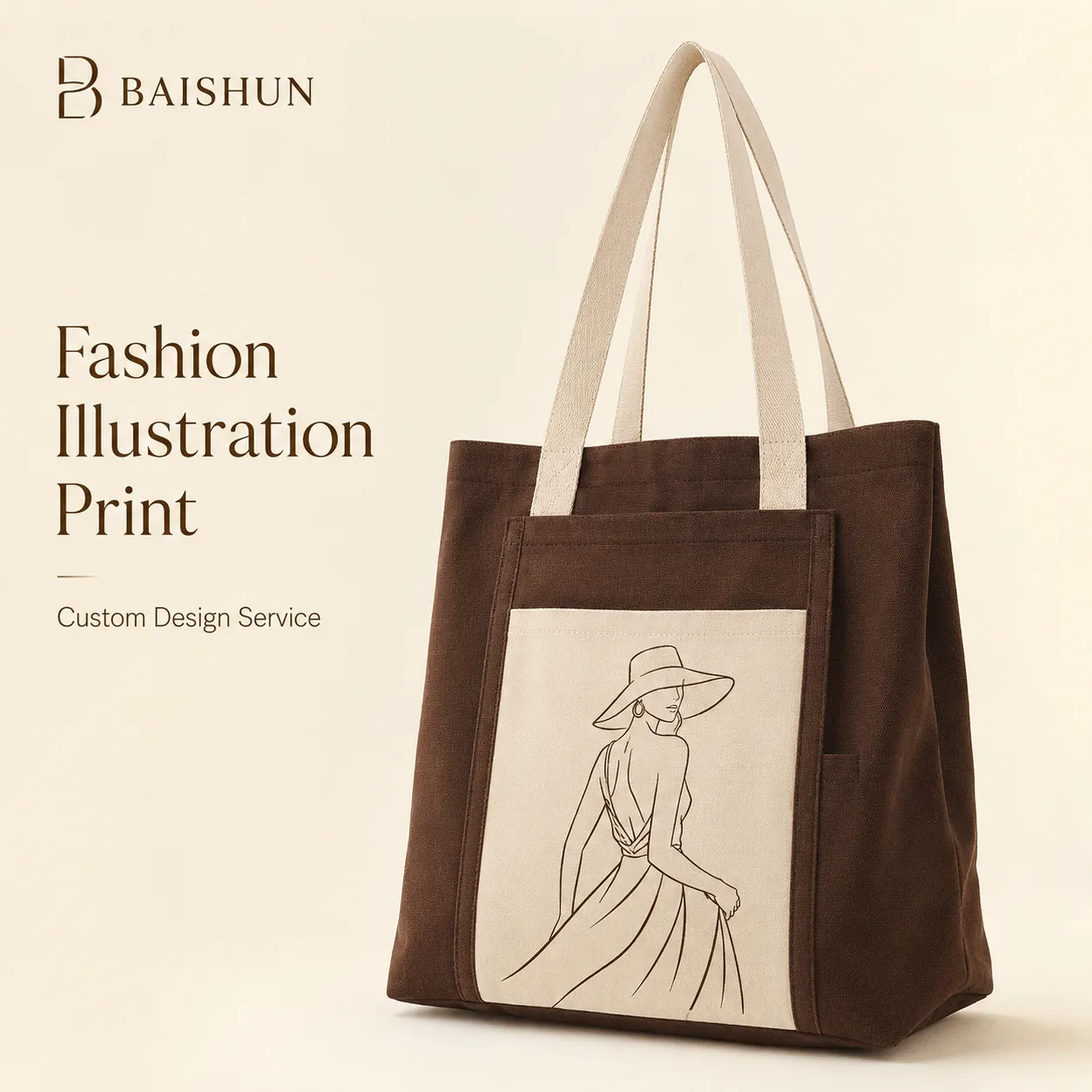
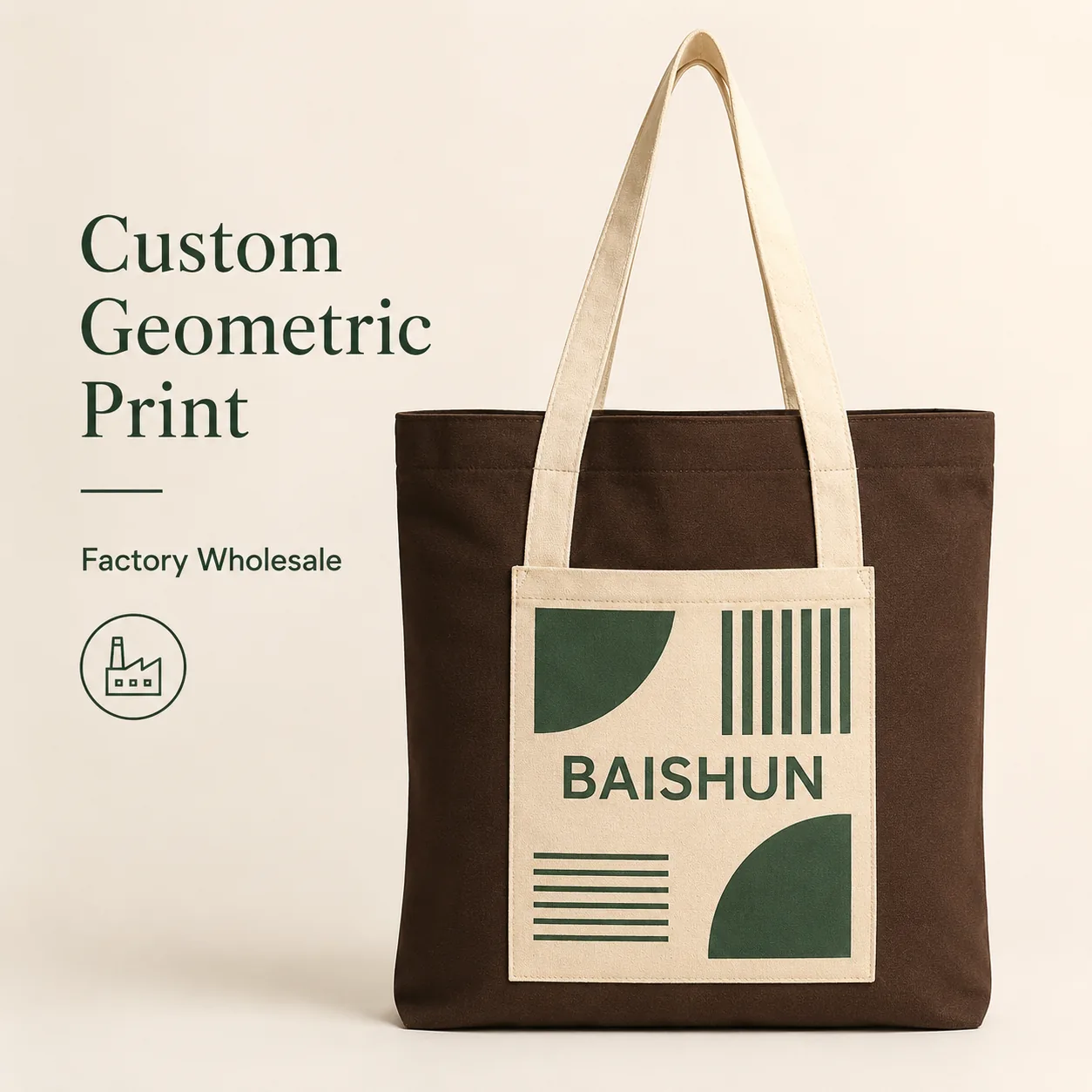
The usable print area is bounded by the seams, the handle attachment points and the way the bag is held during printing — not by the visible face of the bag.
Confirm the usable dimensions for this construction and your chosen method before finalising artwork. Designing to the panel and discovering the real area afterwards is the most common cause of an artwork redraw on totes.


