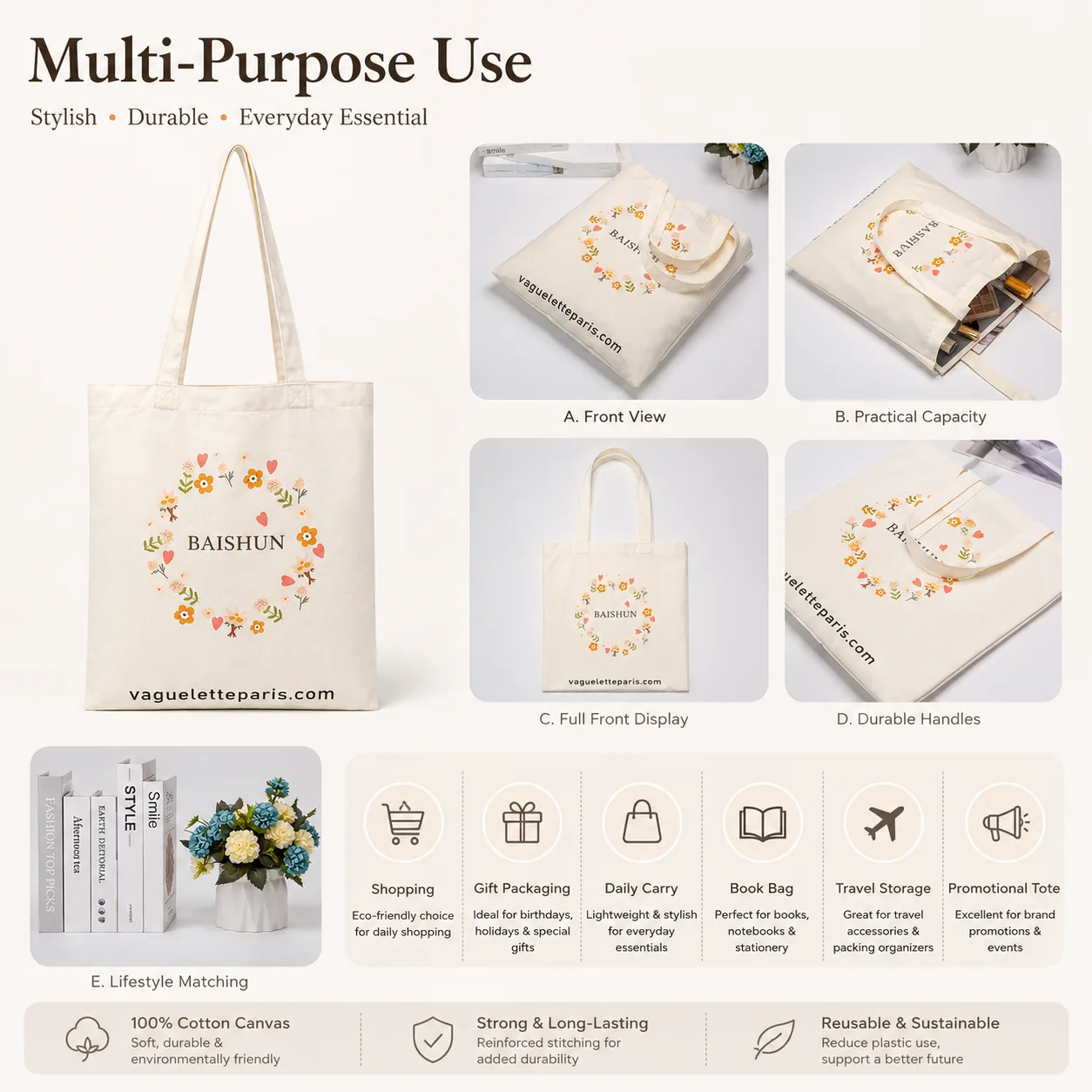
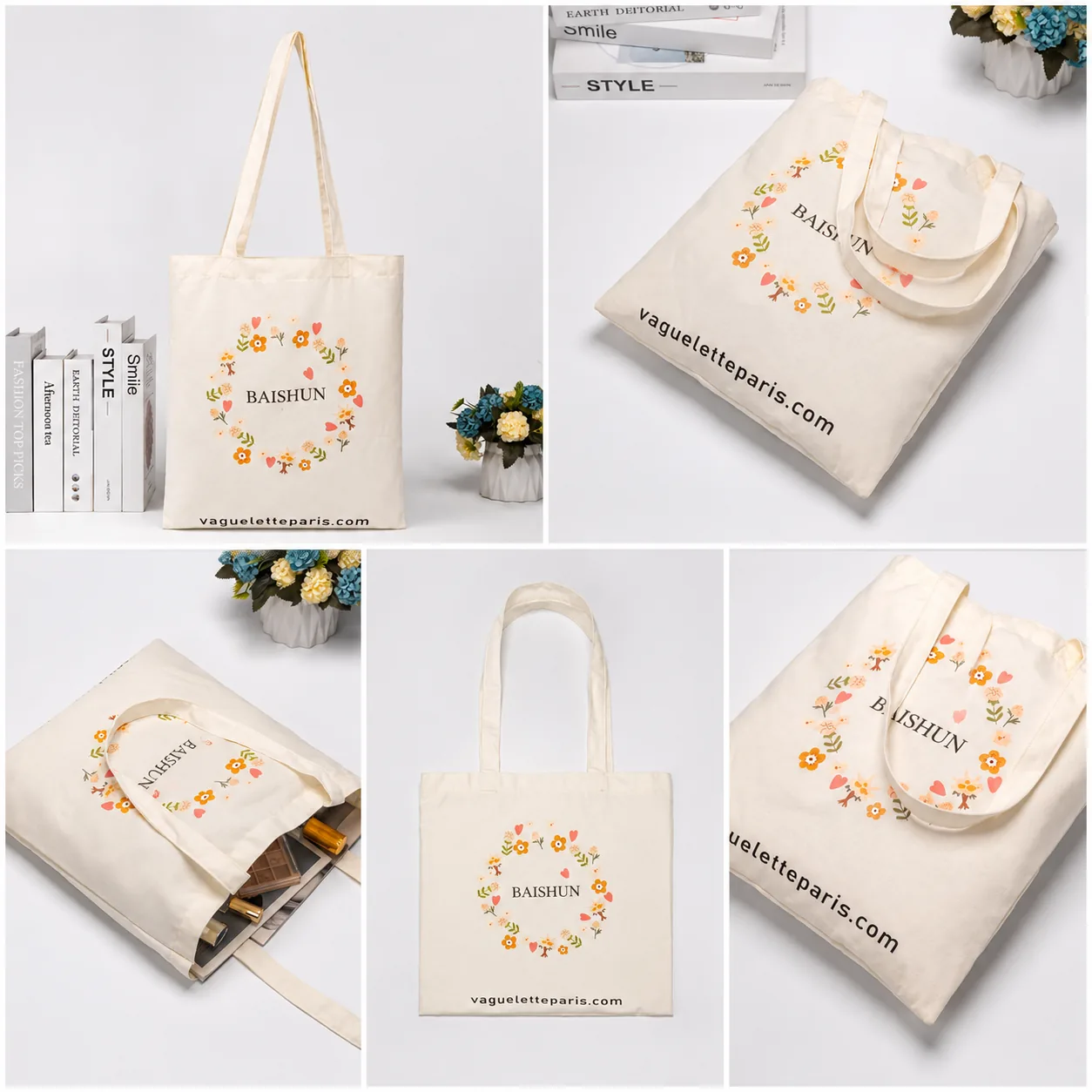
Built to carry weight
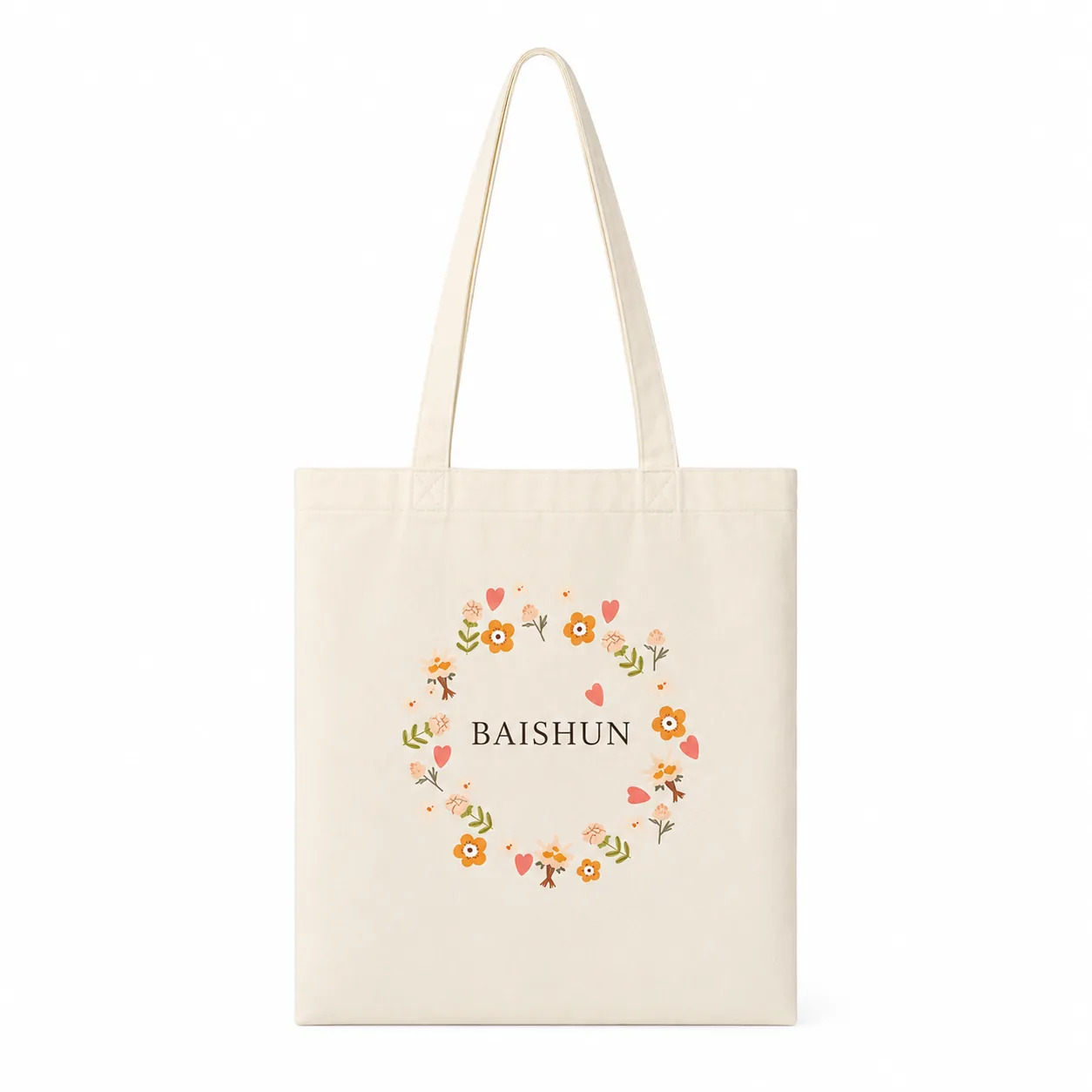
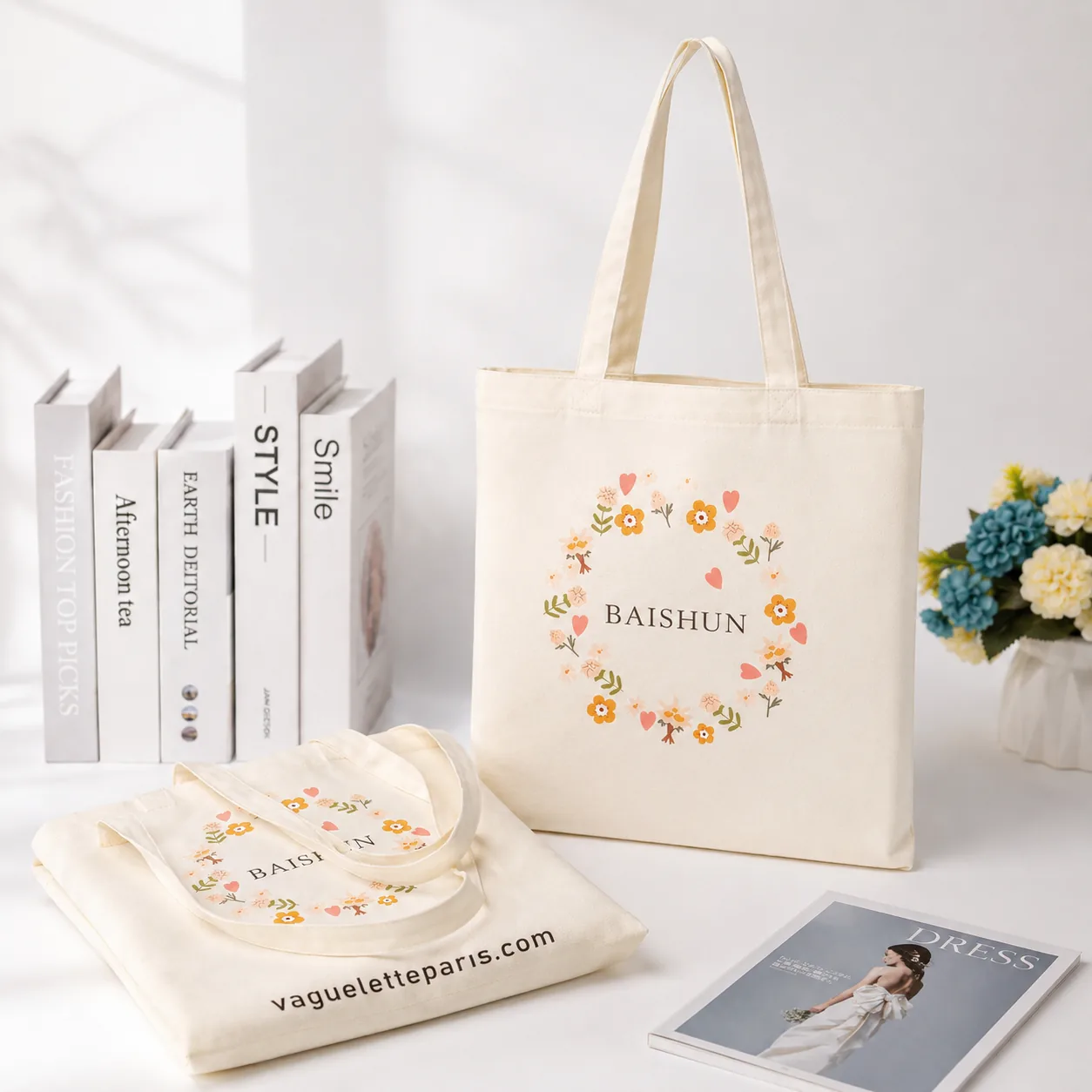
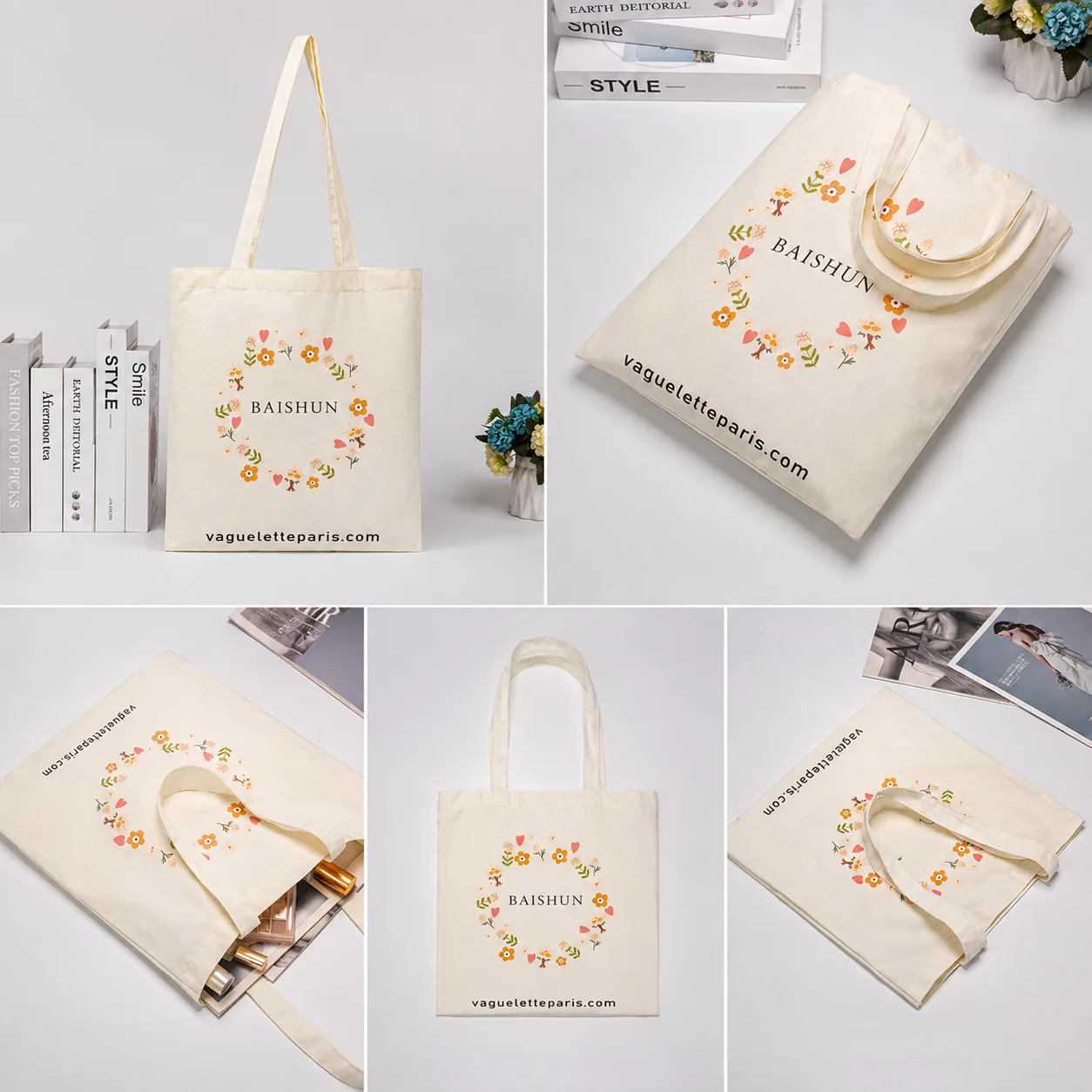
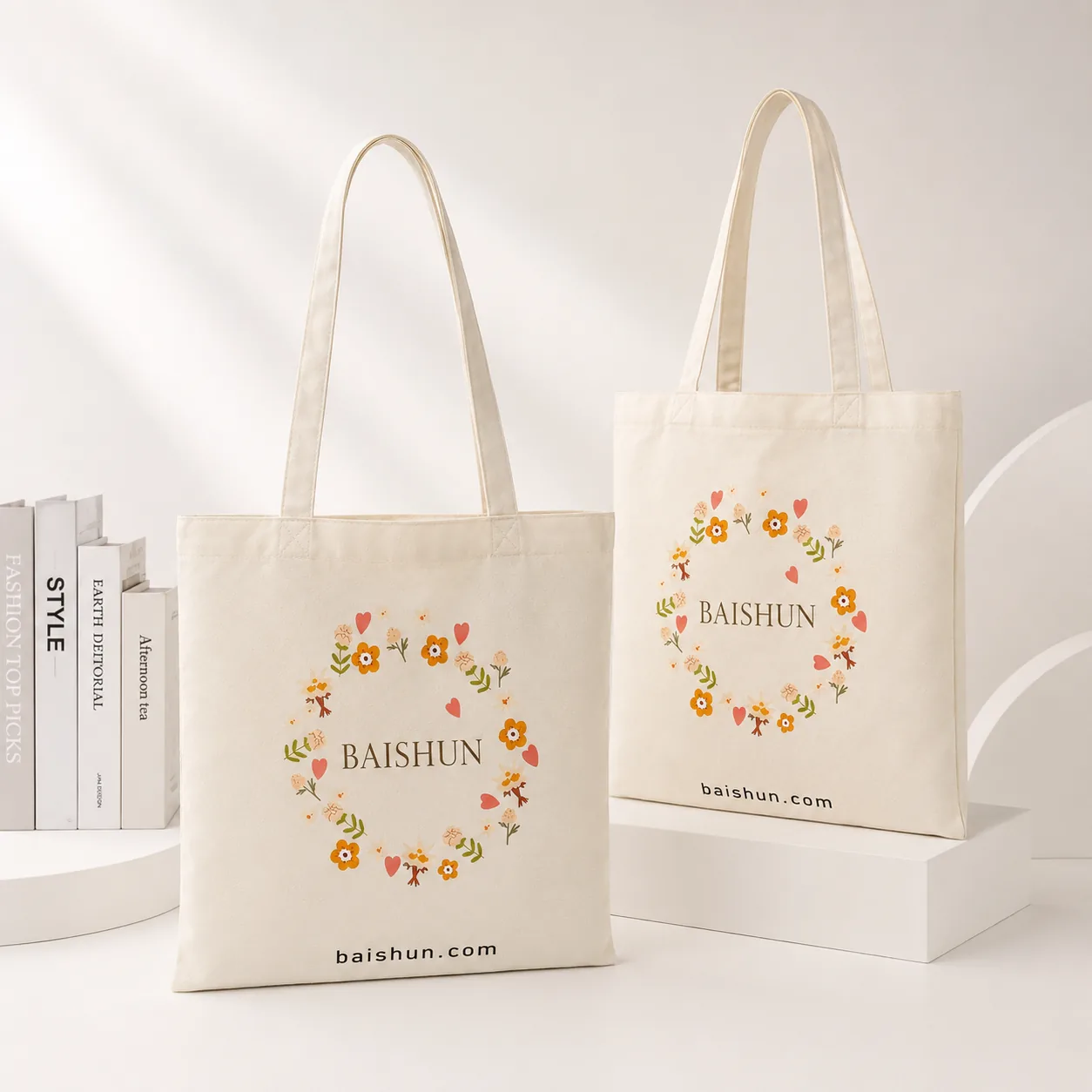
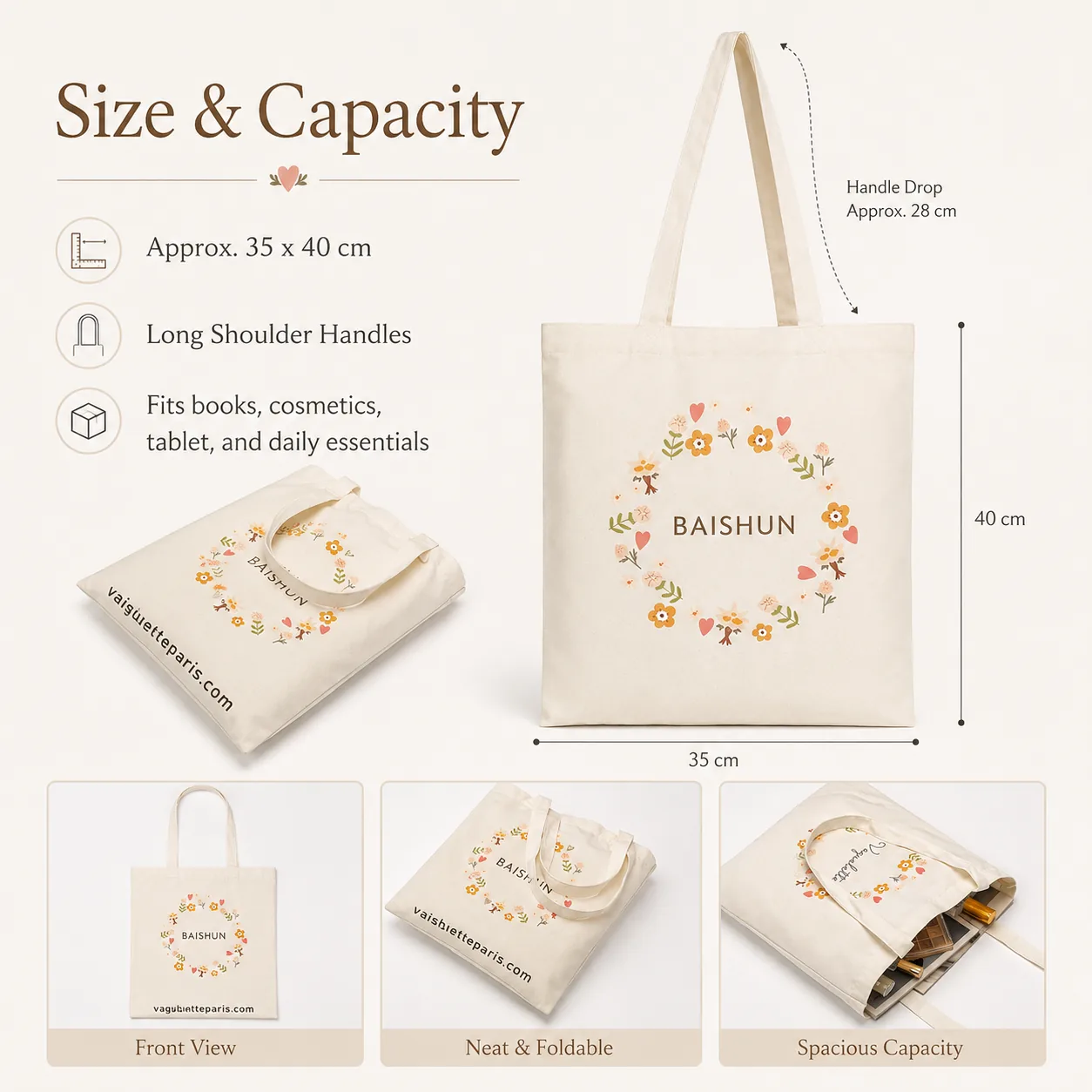
A tote is a load-bearing product rather than a package, which puts the specification in the handles and the seams rather than the surface. Handle attachment, handle drop and fabric weight are all set from the load you expect to carry, and all three should be confirmed on a physically loaded sample. State the heaviest expected contents and whether it is carried on the shoulder or in the hand.
How the open-top construction works
No closure at all: the pouch is a sleeve or liner that protects against dust, scratching and contact rather than containing contents. It is used as an inner within a box, or where the item is inserted and immediately placed inside something else.
Confirm depth relative to the contents — an open-top sleeve that is too shallow leaves the item exposed at exactly the point it needs covering.
Repeat or placed motif on pile fabric
A motif changes what the buyer is approving. Beyond colour, the decisions are scale, placement and repeat: a motif sized against a flat artboard frequently reads too large or too busy once it is on a made pouch with a gathered top. Pile fabric also softens edges slightly, so fine line work loses definition that it keeps on a smooth surface. Approve the motif on the production fabric at production size rather than from artwork.
The fabric
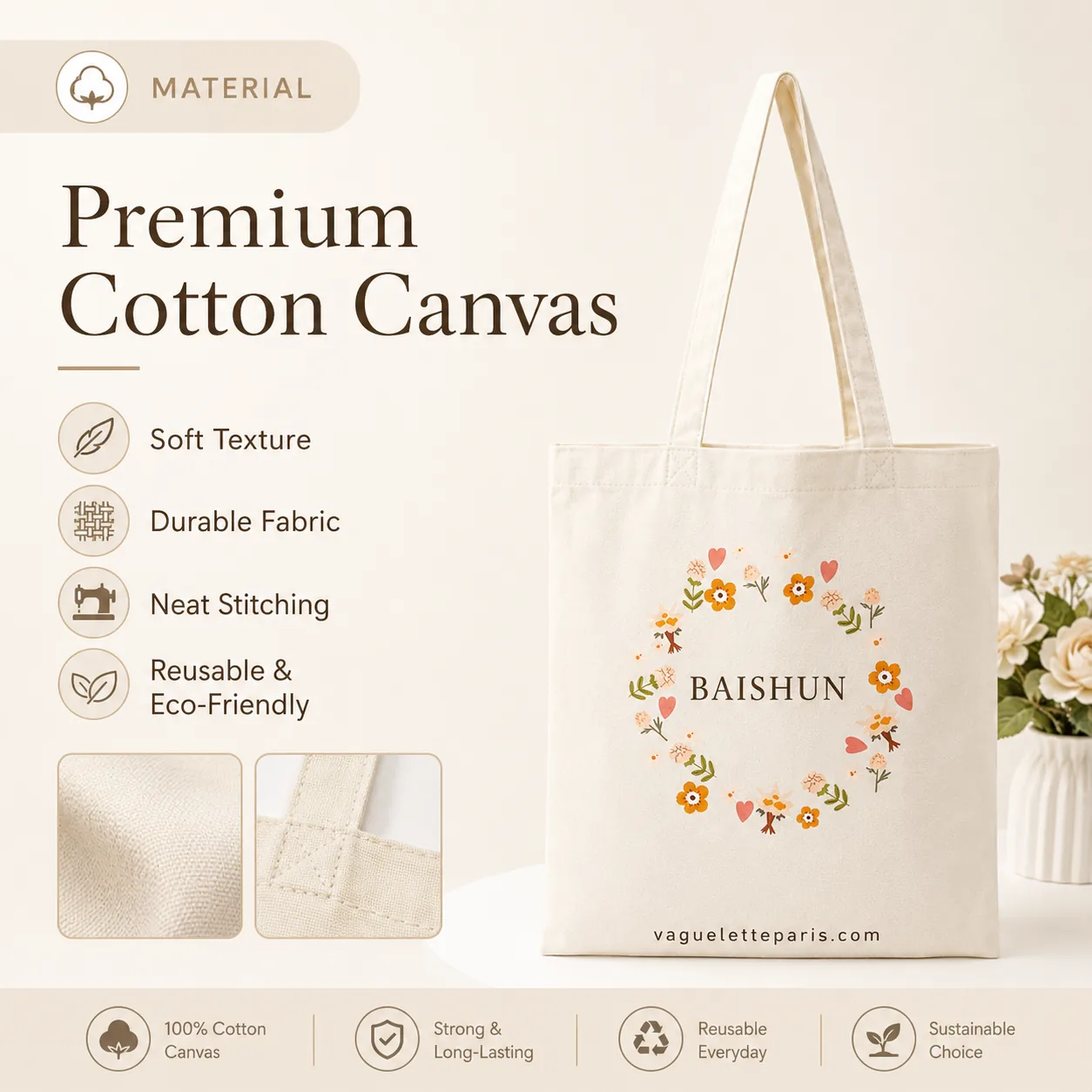
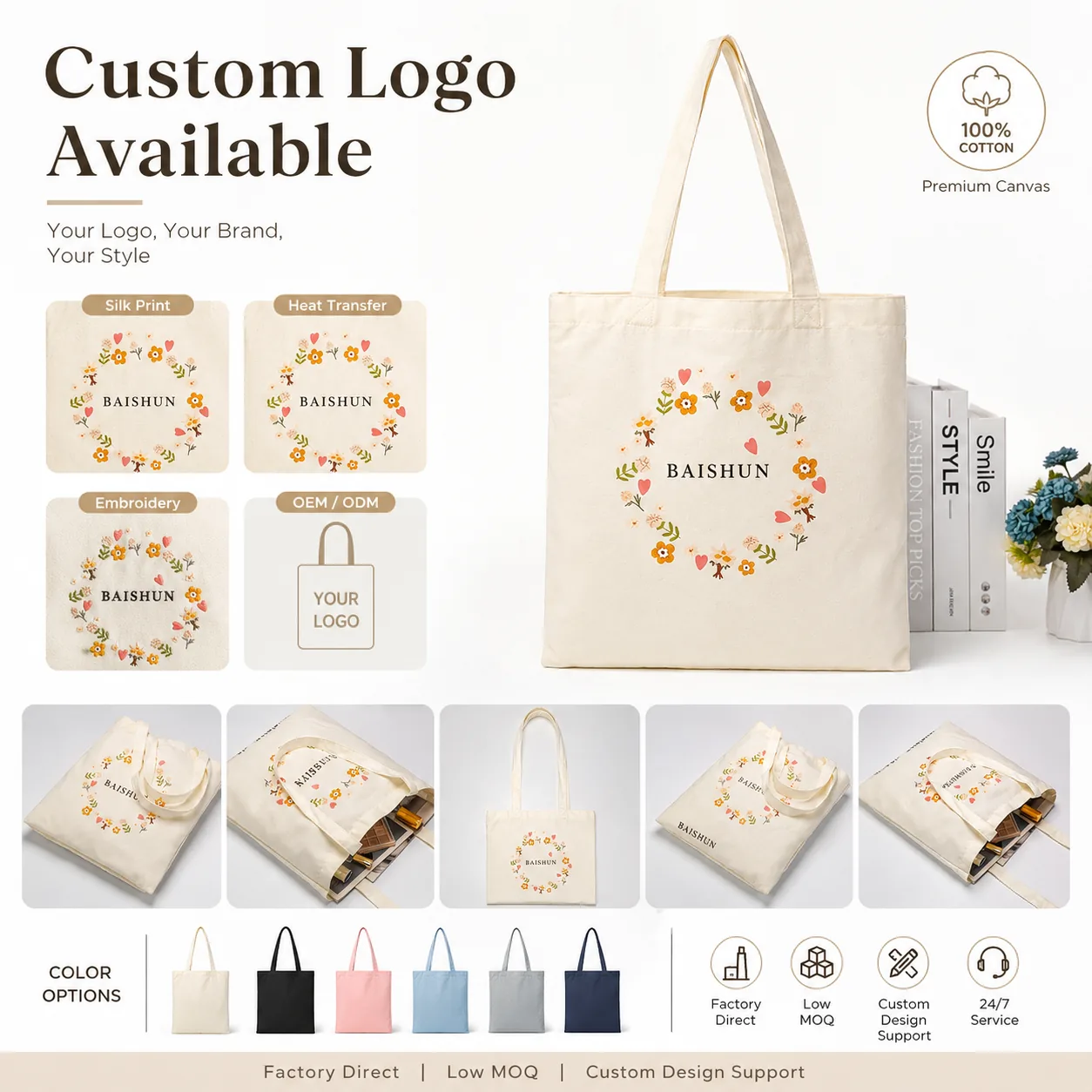
Cotton canvas carries load and holds structure, and it takes both silk screen and embroidery cleanly. Weight is specified from what the bag has to carry, and it should be confirmed on a physically loaded sample rather than from the specification alone.


