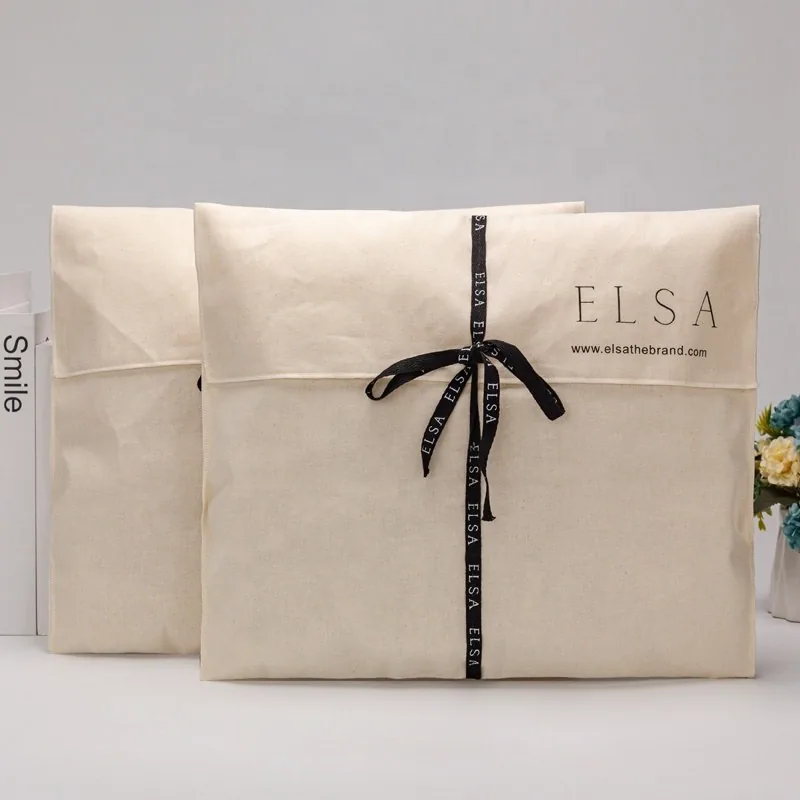
Packaging designed for a shelf and packaging designed for a courier network are different briefs, and using the first for the second is a common and expensive mistake.
What shipping does that a shelf does not
Compression from stacked parcels, repeated impacts through sorting, abrasion inside the mailer, and humidity variation across the route. None of these apply to a pouch sitting on a counter.
The consequences are specific: pile fabrics crush, light fabrics abrade at the corners, unclosed pouches let contents shift and mark each other, and printed marks scuff where the pouch rubs against the mailer.
Closure matters more
A drawstring pouch that presents beautifully on a counter may not keep a small item contained through a sorting facility. If the pouch is the only thing holding the product, a positive closure — zip or snap — is worth the extra cost. If the pouch sits inside a rigid box, the closure can be decorative.
Decide which of those two situations you are in before specifying, because it changes the answer completely.
Fabric under compression
Velvet and other pile fabrics can arrive with flattened patches after being packed under weight. This is not a defect in the fabric, it is a mismatch between fabric and shipping method. If pouches ship packed tight in bulk, raise it at sampling and check how the pile recovers — some do, some do not.
The unboxing still has to work
The counter-argument to over-engineering is that e-commerce packaging is also the customer's first physical contact with the brand. Packaging that survives perfectly but arrives looking industrial has solved the wrong problem.
The usual resolution is layering: a protective outer that takes the abuse, and a presentation pouch inside that arrives pristine. That costs more per unit and it is why many jewelry programs run two pieces rather than one.
Test it properly
Approve the sample the way it will ship — packed, inside the mailer or carton you actually use, with the same void fill. Then, if the program is large enough to matter, ship a few to yourself through the real courier route before committing to bulk. That single test finds problems that no amount of sample inspection will.