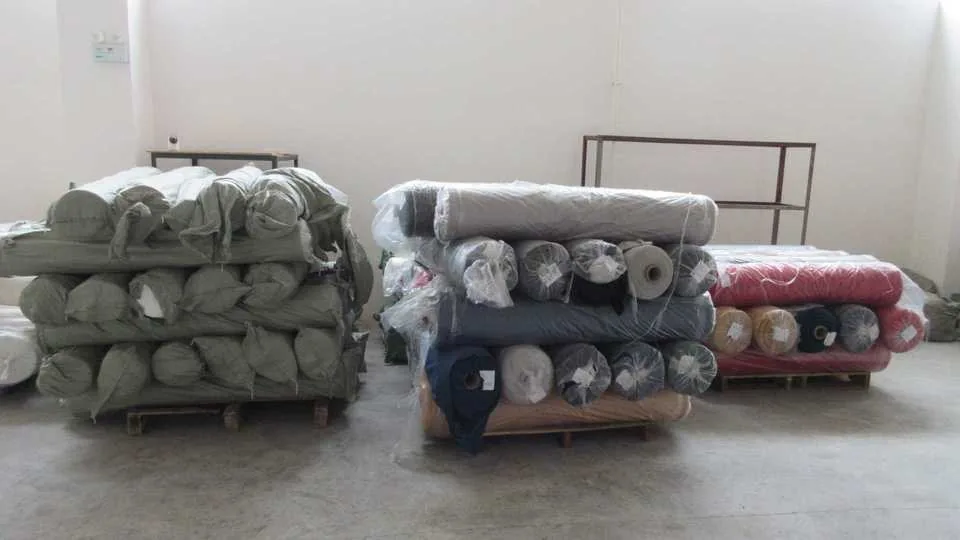
This question is usually asked as though one answer is right. It is not — but not knowing the answer is genuinely a problem, because it changes who can fix things when something goes wrong.
What each is good at
A factory controls production directly. That means faster answers on capability, direct escalation when a sample is wrong, and no margin stacked between you and the line. It also means their capability is bounded by what they actually make — a factory that sews pouches will subcontract your rigid boxes, and may manage that less well than they manage their own line.
A good trading company controls a portfolio of factories. That means they can source across categories, and a competent one adds real value in specification, quality management and export documentation. A weak one adds margin and a layer of telephone between you and the people doing the work.
How to tell
The business licence shows the registered scope — manufacturing or trading. That is the definitive answer and it is reasonable to ask for.
Short of that, the behavioural tells are reliable. Ask a specific production question — how many sewing machines run this construction, what is the current output on that line, can you show me a video of it running today. A factory answers immediately from knowledge. A trader has to ask, and an honest one will tell you they are asking.
Ask what they do not make. A factory has a clear boundary and will name it. An operation that claims to manufacture every category you mention is a trading company that has not said so.
When it matters most
It matters most when something goes wrong mid-production, when you need a change made quickly, or when a specification detail needs interpreting on the line. Every layer between you and the machine adds time and loses fidelity.
It matters least on a simple, well-specified repeat order that either type can execute.
The practical position
Work with whichever is honest about what they are. A trading company that says plainly "we manage a factory partner for this category, here is how quality is controlled" is a better counterparty than a factory that overstates its scope to keep an order in-house. What you are buying is reliable execution and truthful communication — the legal structure is only useful as a predictor of those.